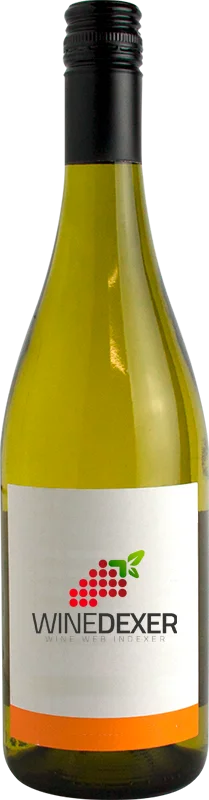
Winery StokeljSurprise
 White wine


This wine generally goes well with
The Surprise of the Winery Stokelj is in the top 40 of wines of Vipava.
Details and technical informations about Winery Stokelj's Surprise.
Discover the grape variety: Villaris
Complex interspecific crossing between the sirius and the white villard obtained in 1984 by Rudolf Eibach and Reinhard Topfer at the Federal Research Center Geilweilerhof in Sielbeldingen (Germany). The Villaris can be found in Germany, the Netherlands, England, ... in France it is almost unknown.
Last vintages of this wine

The best vintages of Surprise from Winery Stokelj are 2018, 2017, 0, 2016
Informations about the Winery Stokelj
The Winery Stokelj is one of of the world's greatest estates. It offers 9 wines for sale in the of Vipava to come and discover on site or to buy online.

The wine region of Vipava
The wine region of Vipava is located in the region of Primorje of Slovenia. Wineries and vineyards like the Domaine Fornazarič or the Domaine Batič produce mainly wines white, red and pink. The most planted grape varieties in the region of Vipava are Merlot, Cabernet-Sauvignon and Ribolla gialla, they are then used in wines in blends or as a single variety. On the nose of Vipava often reveals types of flavors of peach, straw or apricot and sometimes also flavors of lemon, pear or white peach.
The wine region of Primorje
The wine region of Primorje of Slovenia. Wineries and vineyards like the Domaine Batič or the Domaine Aci Urbajs produce mainly wines white, red and sparkling. The most planted grape varieties in the region of Primorje are Cabernet-Sauvignon, Merlot and Chardonnay, they are then used in wines in blends or as a single variety. On the nose of Primorje often reveals types of flavors of tropical, apricot or plum and sometimes also flavors of pepper, black fruits or chocolate.
The word of the wine: Sensory analysis
Technical name of the tasting.