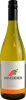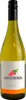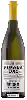
Winery StokeljPlanta
 White wine


This wine generally goes well with pork, vegetarian or poultry.

Food and wine pairings with Planta
Pairings that work perfectly with Planta



Original food and wine pairings with Planta

The Planta of Winery Stokelj matches generally quite well with dishes of pork, rich fish (salmon, tuna etc) or vegetarian such as recipes of simmered pork cheeks with cream sauce and dijon mustard, salmon crumble or mushroom, bacon and gruyere quiche.
Details and technical informations about Winery Stokelj's Planta.
Discover the grape variety: Chardonnay
Whites with many faces: mineral and taut at Chablis (lemon, green apple, flint), opulent and buttery at Meursault and Puligny-Montrachet (hazelnut, brioche, yellow fruits), tense and chalky in Champagne (Blanc de Blancs). Also vinified sparkling and widely exported (Sonoma, Margaret River, Casablanca). A Burgundian variety, a cross of Pinot Noir × Gouais Blanc, half-sibling of Aligoté.
Last vintages of this wine
The best vintages of Planta from Winery Stokelj are 0
Informations about the Winery Stokelj
The Winery Stokelj is one of of the world's greatest estates. It offers 9 wines for sale in the of Vipava to come and discover on site or to buy online.

The wine region of Vipava
Western Slovenian valley between Julian Alps and Adriatic, mild climate and marl soils (>2,300 ha). Mostly elegant whites with persistent bouquet. Signature Rebula (Ribolla Gialla) with notes of pear, citrus, white flowers, fresh almond and a saline mineral touch, taut palate. Also lively Sauvignon Blanc, ample Chardonnay, floral Malvasia.
The wine region of Primorje
Coastal region of western Slovenia, the country's most qualitative, bordering Italy. Signature elegant whites and orange wines. Star Rebula (Ribolla Gialla) with signature notes of pear, citrus, white flowers, fresh almond and a mineral touch, taut and long palate — often in long maceration (orange) with dried fruits and black tea notes. Native Refošk as dense, lively red (black cherry, iron).
The word of the wine: Alcoholic fermentation
Transformation of sugars into alcohol under the effect of yeast. These yeasts exist in their natural state in the vineyards and in the cellars. Artificial seeding with selected yeasts is however very often practiced.