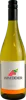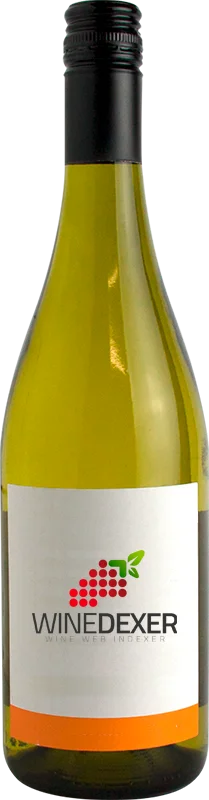
Winery StefanoniColle de' Poggeri Roscetto
 White wine



In the mouth this white wine is a powerful with a nice freshness.
This wine generally goes well with vegetarian, appetizers and snacks or lean fish.
Taste structure of the Colle de' Poggeri Roscetto from the Winery Stefanoni
Light | Bold | |
Dry | Sweet | |
Soft | Acidic |
In the mouth the Colle de' Poggeri Roscetto of Winery Stefanoni in the region of Lazio is a powerful with a nice freshness.
Wine flavors and olphactive analysis

On the nose the Colle de' Poggeri Roscetto of Winery Stefanoni in the region of Lazio often reveals types of flavors of tree fruit.
Food and wine pairings with Colle de' Poggeri Roscetto
Pairings that work perfectly with Colle de' Poggeri Roscetto



Original food and wine pairings with Colle de' Poggeri Roscetto


The Colle de' Poggeri Roscetto of Winery Stefanoni matches generally quite well with dishes of pasta, vegetarian or appetizers and snacks such as recipes of generous flaky quiche, zucchini quiche or basil and cherry tomato clafoutis.
Details and technical informations about Winery Stefanoni's Colle de' Poggeri Roscetto.
Discover the grape variety: Corinthe
Would find its first origins in the islands of the Greek archipelago. According to a study conducted in collaboration with SupAgro-Montpellier (Hérault), it would be a relative of the pedro ximénes, for more information click here ! It can be found in Greece, Australia, South Africa, the United States (California), ... hardly cultivated in France except among a few amateur gardeners. In Italy, it is vinified to serve as a base for the production of many vermouths.
Last vintages of this wine
The best vintages of Colle de' Poggeri Roscetto from Winery Stefanoni are 2017, 0
Informations about the Winery Stefanoni
The Winery Stefanoni is one of of the world's greatest estates. It offers 13 wines for sale in the of Lazio to come and discover on site or to buy online.

The wine region of Lazio
Lazio is a region in CentralItaly, where the ancient capital of Rome is located. The region's reputation is based primarily on its white wines, the main varieties of which are Trebbiano, Malvasia di Candia and Malvasia Puntinata. Traditionally, these wines were fat, Round, abboccato and intended for immediate consumption. Today, the styles are lighter, drier and crisper thanks to modern winemaking methods.
The word of the wine: Mercaptan
Organic compound resulting from the combination of alcohol and sulphide (H2S) producing an unpleasant odour reminiscent of town gas and rotten eggs.