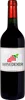
Winery Silver ForkNonsense Red Blend
 Red wine


This wine generally goes well with
Wine flavors and olphactive analysis

On the nose the Nonsense Red Blend of Winery Silver Fork in the region of North Carolina often reveals types of flavors of oak.
Details and technical informations about Winery Silver Fork's Nonsense Red Blend.
Discover the grape variety: Verdanel
The Verdanel grape variety is particularly cultivated in the southwestern region of Gaillac, in the Tarn department. This very old white grape variety does not fear either the cold or the heat. Today, it is very rare and almost extinct. The Verdanel is not classified in the Appellations of Controlled Origin. The Verdanel has serrated leaves, almost whole and of a tender green colour. Its conical bunches are filled with medium-sized, slightly ellipsoid fruits. When the berries reach maturity, their greenish-white color turns to golden white. A dry white wine with a low alcohol content is produced from this variety. It also has a low acidity level. This wine goes well with spicy dishes as well as lobster or red mullet.
Last vintages of this wine
The best vintages of Nonsense Red Blend from Winery Silver Fork are 0
Informations about the Winery Silver Fork
The Winery Silver Fork is one of of the world's greatest estates. It offers 5 wines for sale in the of North Carolina to come and discover on site or to buy online.

The wine region of North Carolina
North Carolina is a state located on the east coast of the United States, between the Appalachian Mountains to the west and the Atlantic Ocean to the east. The state's transitional Climate is well suited to growing grapes for wine production, and the state has a Long and illustrious wine-making history. North Carolina's finest wines are made from Vitis vinifera grapes such as Cabernet Sauvignon, Chardonnay, Merlot and Riesling. However, muscadine grapes (Vitis rotundifolia) are native to the region.
The word of the wine: Performance
Quantity of grapes harvested per hectare. In AOC, the average yield is limited on the proposal of the appellation syndicate, validated by the Inao. The use of high-performance plant material (especially clones) and better control of vine diseases have increased yields. This is not without consequences on the quality of the wines (dilution) and on the state of the market (too much wine). We must not over-simplify: low yields are not synonymous with quality, and it is often in years with generous harvests that we find the greatest vintages (1982 and 1986 in Bordeaux, 1996 in Champagne, 1990 and 2005 in Burgundy...).