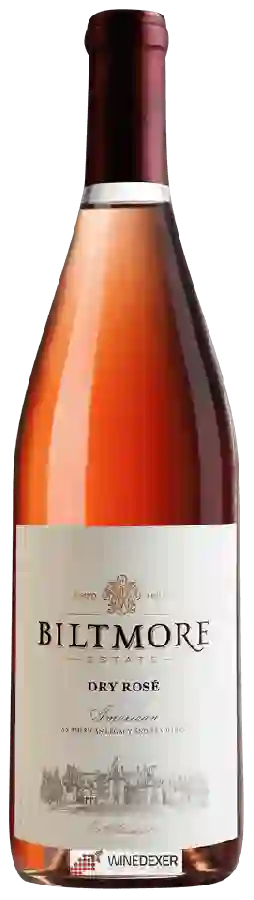
Winery BiltmoreAmerican Dry Rosé
 Pink wine



This wine generally goes well with
The American Dry Rosé of the Winery Biltmore is in the top 80 of wines of North Carolina.

Wine flavors and olphactive analysis



On the nose the American Dry Rosé of Winery Biltmore in the region of North Carolina often reveals types of flavors of earth, tree fruit or red fruit and sometimes also flavors of floral, tropical fruit.
Details and technical informations about Winery Biltmore's American Dry Rosé.
Discover the grape variety: Tempranillo Blanco
Structured, aromatic dry whites with a pale golden robe, an ample palate and preserved acidity, with signature aromas of yellow fruits (pear, peach, apricot), white flowers (acacia), citrus and herbaceous notes. Fine barrel-ageing potential, a qualitative diversification among the great modern white Riojas. Grown in Rioja DOCa, authorised in 2007. A white-skinned mutation of Tempranillo discovered by chance in 1988.
Last vintages of this wine
The best vintages of American Dry Rosé from Winery Biltmore are 2018, 2017, 2016, 0
Informations about the Winery Biltmore
The Winery Biltmore is one of of the world's great estates. It offers 97 wines for sale in the of North Carolina to come and discover on site or to buy online.

The wine region of North Carolina
Historic US southeastern wine state (top US producer before Prohibition). Yadkin Valley as the main quality zone: signature Cabernet Franc (red fruit, bell pepper, violet, fresh herbs, supple tannins). Also dense Petit Verdot, round Merlot, fruity Sangiovese. Chardonnay whites and rich Petit Manseng (apricot, honey).
The word of the wine: Generic
A term that can have several meanings, but often designates a branded wine as opposed to a wine from a vineyard or château, sometimes abused to designate regional appellations (e.g. Bordeaux, Burgundy, etc.).


