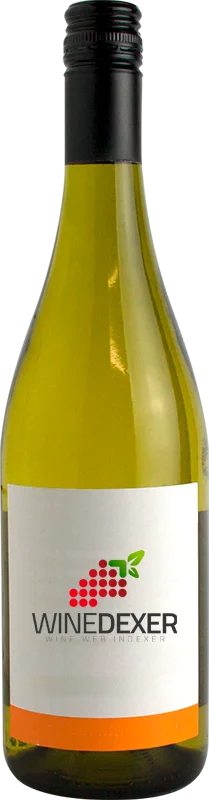
Winery SettesoliMoscato Secco
 White wine
In the mouth this white wine is a powerful.
This wine generally goes well with vegetarian, appetizers and snacks or shellfish.

Taste structure of the Moscato Secco from the Winery Settesoli
Light | Bold | |
Dry | Sweet | |
Soft | Acidic |
In the mouth the Moscato Secco of Winery Settesoli in the region of Sicily is a powerful.
Food and wine pairings with Moscato Secco
Pairings that work perfectly with Moscato Secco



Original food and wine pairings with Moscato Secco
The Moscato Secco of Winery Settesoli matches generally quite well with dishes of shellfish, vegetarian or appetizers and snacks such as recipes of carri of shrimps with chillies, quiche with bacon and gruyère cheese or codfish accras.
Details and technical informations about Winery Settesoli's Moscato Secco.
Discover the grape variety: Gaglioppo
Structured, warm reds with a ruby robe evolving towards garnet, firm tannins and moderate acidity, with aromas of black cherry preserve, plum, fig, Mediterranean herbs (oregano, rosemary), spice, leather and balsamic notes. Ample palate, good ageing. Absolute star of Cirò DOC on the Ionian coast of Calabria (one of Europe's oldest vineyards, celebrated since Antiquity). Autochthonous Calabrian variety, a natural descendant of Sangiovese × Mantonico Bianco.
Informations about the Winery Settesoli
The Winery Settesoli is one of of the world's great estates. It offers 89 wines for sale in the of Sicily to come and discover on site or to buy online.

The wine region of Sicily
Major qualitative renewal. Sunny, expressive reds: fleshy, spicy Nero d'Avola (black cherry, blackberry, liquorice), fine, mineral Nerello Mascalese on Etna (recalls Pinot Noir), light, crisp Frappato in Cerasuolo di Vittoria DOCG. Lively, saline whites: Catarratto, fat, iodised Grillo, taut Carricante, floral Inzolia. Amber, walnutty fortified Marsala.
The word of the wine: Gross
Champagne with between 6 and 15 grams of sugar (see dosage liqueur).