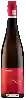
Winery SchumannBlauer Spätburgunder Achtkantig
 Red wine



In the mouth this red wine is a with a nice freshness.
This wine generally goes well with poultry, beef or veal.

Taste structure of the Blauer Spätburgunder Achtkantig from the Winery Schumann
Light | Bold | |
Smooth | Tannic | |
Dry | Sweet | |
Soft | Acidic |
In the mouth the Blauer Spätburgunder Achtkantig of Winery Schumann in the region of Baden is a with a nice freshness.
Wine flavors and olphactive analysis


On the nose the Blauer Spätburgunder Achtkantig of Winery Schumann in the region of Baden often reveals types of flavors of earth, oak or red fruit.
Food and wine pairings with Blauer Spätburgunder Achtkantig
Pairings that work perfectly with Blauer Spätburgunder Achtkantig



Original food and wine pairings with Blauer Spätburgunder Achtkantig

The Blauer Spätburgunder Achtkantig of Winery Schumann matches generally quite well with dishes of beef, veal or game (deer, venison) such as recipes of beef tongue with vegetables, duck with orange or cassoulet of the sea.
Details and technical informations about Winery Schumann's Blauer Spätburgunder Achtkantig.
Discover the grape variety: Ugni blanc et rose
Light, simple whites or rosés with a pale robe, a lively palate and preserved acidity, showing understated aromas of white flowers, white fruits (apple) and neutral notes. Now virtually absent from commercial cultivation, preserved for its heritage value in varietal collections of the Charentes. The pink-skinned mutation of Ugni Blanc, a rare French variety studied for its genetic interest among ancient Charentes varieties.
Last vintages of this wine
The best vintages of Blauer Spätburgunder Achtkantig from Winery Schumann are 2015, 2016, 0, 2017
Informations about the Winery Schumann
The Winery Schumann is one of of the world's greatest estates. It offers 12 wines for sale in the of Baden to come and discover on site or to buy online.

The wine region of Baden
German capital of Pinot Noir (Spätburgunder): silky, fine reds with notes of red fruits, cherry, undergrowth and sweet spices, melted tannins. Round Grauburgunder (Pinot Gris), lively Weissburgunder, supple Müller-Thurgau, mineral Riesling. Germany's 3rd region (15,000 ha) in Baden-Württemberg facing Alsace, one of the country's warmest climates, volcanic soils at the Kaiserstuhl. Cradle of modern great German reds, elegant and fine.
The word of the wine: Servadou iron
A black grape variety from the southwest that produces a wine with spicy tannins and black currant and raspberry aromas. Under the name of Mansois, it is the main grape variety of Marcillac; it is also one of the important varieties of Gaillacois, where it is called Braucol. It is also used in the blends of other South-Western appellations (Fronton, Lavilledieu, Estaing, Madiran). Syn.: braucol, pinenc, mansois.