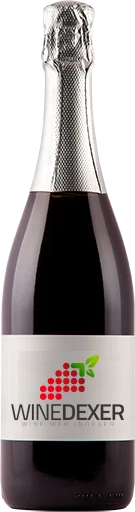
Winery São JoãoQuinta do Poço do Lobo Espumante Bruto
 Sparkling wine



This wine is a blend of 3 varietals which are the Baga, the Cabernet-Sauvignon and the Touriga nacional.
This wine generally goes well with pork, poultry or beef.

Food and wine pairings with Quinta do Poço do Lobo Espumante Bruto
Pairings that work perfectly with Quinta do Poço do Lobo Espumante Bruto



Original food and wine pairings with Quinta do Poço do Lobo Espumante Bruto



The Quinta do Poço do Lobo Espumante Bruto of Winery São João matches generally quite well with dishes of beef, lamb or pork such as recipes of beef fillet in a crust, lamb curl or chicken drumstick with bacon.
Details and technical informations about Winery São João's Quinta do Poço do Lobo Espumante Bruto.
Discover the grape variety: Baga
Structured and tannic reds with a deep colour and high acidity, on aromas of black cherry, blackberry, plum, spices, leather, tobacco and mineral notes. Tannic and late-ripening, it requires long ageing to round out, then offers fine keeping potential. The absolute star of Bairrada DOC in central Portugal (clay-limestone baga soils), also made as traditional method sparkling wines and taut rosés. Native Portuguese variety, long underrated and now rehabilitated.
Last vintages of this wine
The best vintages of Quinta do Poço do Lobo Espumante Bruto from Winery São João are 2016, 2014, 2015, 2013
Informations about the Winery São João
The Winery São João is one of of the world's great estates. It offers 65 wines for sale in the of Beiras to come and discover on site or to buy online.

The wine region of Beiras
Vast region of north-central Portugal, a fragmented mosaic of distinct sub-regions. In the west, Bairrada makes dense Baga reds with notes of black cherry, blackberry and leather, firm tannins — the base of the great Portuguese sparkling wines. In the centre, Dao produces fine Touriga Nacional reds (violet, raspberry, spice) and elegant Encruzado whites (flowers, citrus, butter). To the continental east, fleshy Touriga of Beira Interior and aromatic Fernao Pires.
The word of the wine: Cuvée
Often followed by a name that allows for recognition and identification, the word "cuvée" designates a specific wine within the production of a winemaker. This wine is characterized by a specific grape variety, a type of maturation and an organoleptic profile. All the vintages of a domain constitute a range.