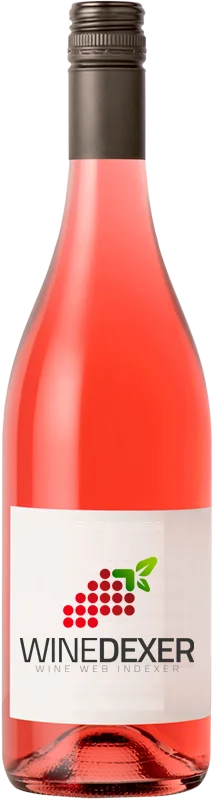
San Pasqual WineryRosé of Cabernet Franc
 Pink wine


This wine generally goes well with pork, poultry or beef.

Food and wine pairings with Rosé of Cabernet Franc
Pairings that work perfectly with Rosé of Cabernet Franc



Original food and wine pairings with Rosé of Cabernet Franc

The Rosé of Cabernet Franc of San Pasqual Winery matches generally quite well with dishes of beef, pork or game (deer, venison) such as recipes of burger roll, stuffed tomatoes or duck breast with pepper sauce.
Details and technical informations about San Pasqual Winery's Rosé of Cabernet Franc.
Discover the grape variety: Cabernet franc
Supple, fragrant reds with fine tannins and vibrant freshness, showing raspberry, violet, green pepper, pencil lead and gentle spice aromas. Star of the Loire as a single variety (Chinon, Bourgueil, Saumur-Champigny) and of the right bank of Bordeaux in blends (Cheval Blanc at 60%). Also in semi-dry Anjou rosés. A historic Bordeaux variety, parent of Cabernet-Sauvignon, Merlot and Carmenère.
Last vintages of this wine
The best vintages of Rosé of Cabernet Franc from San Pasqual Winery are 0
Informations about the San Pasqual Winery
The San Pasqual Winery is one of of the world's great estates. It offers 35 wines for sale in the of San Diego County to come and discover on site or to buy online.

The wine region of San Diego County
Historic diverse region of southern California (3 AVAs: San Pasqual Valley 1981, Ramona Valley 2006, San Luis Rey 2024): Merlot and Chardonnay signatures as kings, with Cabernet Sauvignon, Sangiovese, Cabernet Franc, Viognier, Zinfandel, Grenache and Rhône varieties (Syrah, Mourvèdre) as complement. Signature profile: Bordeaux, Rhône and Mediterranean. Vineyards from sea level to 4,200 ft, moderate Mediterranean climate, Pacific fogs and breezes, long season.
The wine region of California
Powerful, sunny reds: dense Napa Cabernet Sauvignon (blackcurrant, chocolate, tobacco, ample tannins), spicy, jammy Zinfandel from the Sierra Foothills, silky red-fruited Pinot Noir on the cool coast (Sonoma, Russian River, Central Coast). Opulent, buttery Chardonnay, notes of yellow fruit and vanilla. Varied climate, from the hot interior to the Pacific-cooled coast. 80% of US production, 139 AVAs including Napa (1st AVA, 1981).
The word of the wine: Muscat blanc à petits grains
A white grape variety cultivated since antiquity on the shores of the Mediterranean, it is considered the noblest of the muscats. It is mainly used to make sweet wines, often from mutage. In France, it is the sole variety used in many natural sweet wines: muscat-de-frontignan, muscat-de-mireval, muscat-de-lunel, muscat-de-saint-jean-de-minervois, muscat-de-beaumes-de-venise, muscat-du-cap-corse. Combined with Muscat d'Alexandrie, it gives Muscat-de-Rivesaltes. It is also used to make sparkling white wines (clairette-de-die; moscato d'asti and asti spumante in Italy) and dry wines (alsace-muscat). Powerfully aromatic and complex, its wines evoke fresh grapes, roses, exotic fruits, citrus fruits and spices.





