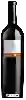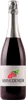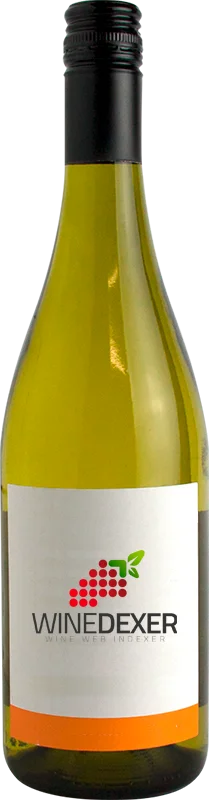
Winery San MicheleOtten
 White wine



In the mouth this white wine is a powerful.
This wine generally goes well with lean fish, shellfish or mature and hard cheese.
The Otten of the Winery San Michele is in the top 10 of wines of Lombardia.

Taste structure of the Otten from the Winery San Michele
Light | Bold | |
Dry | Sweet | |
Soft | Acidic |
In the mouth the Otten of Winery San Michele in the region of Lombardia is a powerful.
Food and wine pairings with Otten
Pairings that work perfectly with Otten



Original food and wine pairings with Otten


The Otten of Winery San Michele matches generally quite well with dishes of pasta, shellfish or mature and hard cheese such as recipes of spaghetti with "favouilles" (curries), stuffed squid in the sétoise sauce or spring pie with manson.
Details and technical informations about Winery San Michele's Otten.
Discover the grape variety: Mourisco
Light, fruity reds with a clear ruby hue, smooth tannins and an airy palate; signature aromas of red fruits (cherry, raspberry), gentle spices and floral notes. Airy style, adding freshness to blends. A traditional component of Douro DOC and Port blends, bringing freshness and aromas to great fortified wines. Native Portuguese black grape from the Douro, cultivated in decreasing quantities but preserved.
Last vintages of this wine
The best vintages of Otten from Winery San Michele are 2015, 0, 2012
Informations about the Winery San Michele
The Winery San Michele is one of of the world's greatest estates. It offers 19 wines for sale in the of Lombardia to come and discover on site or to buy online.

The wine region of Lombardia
Three poles. Franciacorta DOCG, Italy's answer to Champagne: elegant brioche traditional-method sparklers (Chardonnay, Pinot Noir, Pinot Blanc), fine bubble and mineral profile. Alpine Valtellina: Nebbiolo (alias Chiavennasca) with fine tannins and red fruits, powerful Sforzato passito. Oltrepò Pavese: fresh Pinot Noir and fruity-sparkling Bonarda.
The word of the wine: Performance
Quantity of grapes harvested per hectare. In AOC, the average yield is limited on the proposal of the appellation syndicate, validated by the Inao. The use of high-performance plant material (especially clones) and better control of vine diseases have increased yields. This is not without consequences on the quality of the wines (dilution) and on the state of the market (too much wine). We must not over-simplify: low yields are not synonymous with quality, and it is often in years with generous harvests that we find the greatest vintages (1982 and 1986 in Bordeaux, 1996 in Champagne, 1990 and 2005 in Burgundy...).