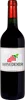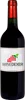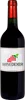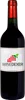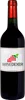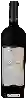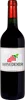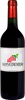
Winery San MicheleMaso Alto Tinto
 Red wine



This wine is a blend of 3 varietals which are the Cabernet-Sauvignon, the Sangiovese and the Merlot.
This wine generally goes well with pork, poultry or beef.
The Maso Alto Tinto of the Winery San Michele is in the top 90 of wines of Santa Catarina.
Food and wine pairings with Maso Alto Tinto
Pairings that work perfectly with Maso Alto Tinto



Original food and wine pairings with Maso Alto Tinto



The Maso Alto Tinto of Winery San Michele matches generally quite well with dishes of beef, lamb or veal such as recipes of small stuffed fish from nice, leg of lamb with garlic and rosemary or stuffed squid in the sétoise sauce.
Details and technical informations about Winery San Michele's Maso Alto Tinto.
Discover the grape variety: Cabernet-Sauvignon
Cabernet-Sauvignon noir is a grape variety that originated in France (Bordeaux). It produces a variety of grape specially used for wine making. It is rare to find this grape to eat on our tables. This variety of grape is characterized by small bunches, and small grapes. Cabernet-Sauvignon noir can be found in many vineyards: South-West, Loire Valley, Languedoc & Roussillon, Cognac, Bordeaux, Armagnac, Rhone Valley, Provence & Corsica, Savoie & Bugey, Beaujolais.
Last vintages of this wine
The best vintages of Maso Alto Tinto from Winery San Michele are 2018, 2015, 2013, 0 and 2017.
Informations about the Winery San Michele
The Winery San Michele is one of of the world's greatest estates. It offers 17 wines for sale in the of Santa Catarina to come and discover on site or to buy online.

The wine region of Santa Catarina
State of southern Brazil, a renowned specialist in altitude wines (IG "Vinhos de Altitude"), vineyards between 870 and 1,300 m. A cool climate without a dry season marking freshness and tension. Precise Chardonnay whites with signature notes of citrus, green apple, white flowers and saline minerality, crisp acidity. Lively Sauvignon (boxwood, exotic fruits).
The word of the wine: Old vines
There are no specific regulations governing the term "vieilles vignes". After 20 to 25 years, the yields stabilize and tend to decrease, the vines are deeply rooted, and the grapes that come from them give richer, more concentrated, more sappy wines, expressing with more nuance the characteristics of their terroir. It is possible to find plots of vines that claim to be a century old.