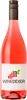
Château Saint-NicolasL'Elixir du Roy Rosé
 Sweet wine
This wine generally goes well with vegetarian, appetizers and snacks or lean fish.
Food and wine pairings with L'Elixir du Roy Rosé
Pairings that work perfectly with L'Elixir du Roy Rosé



Original food and wine pairings with L'Elixir du Roy Rosé


The L'Elixir du Roy Rosé of Château Saint-Nicolas matches generally quite well with dishes of pasta, vegetarian or appetizers and snacks such as recipes of capellini with prosciutto, mushroom, bacon and gruyere quiche or sweet potato chips.
Details and technical informations about Château Saint-Nicolas's L'Elixir du Roy Rosé.
Discover the grape variety: Fuëlla nera
Fuella nera noir is a grape variety that originated in France (Provence). It produces a variety of grape especially used for the elaboration of wine. It is rare to find this grape to eat on our tables. The Fuella nera noir can be found cultivated in these vineyards: South-West, Cognac, Bordeaux, Provence & Corsica, Rhone Valley.
Informations about the Château Saint-Nicolas
The Château Saint-Nicolas is one of of the world's greatest estates. It offers 12 wines for sale in the of Rivesaltes to come and discover on site or to buy online.

The wine region of Rivesaltes
Rivesaltes is an appellation for the historic Sweet wines of eastern Roussillon, in the DeepSouth of France. The natural sweet wines produced in this region have been revered since at least the 14th century. The technique used to make them is one of many techniques used for sweet wines. Unlike botrytized wines or ice wines, natural sweet wines are made by Mutage, a process that involves stopping the Fermentation of the must while a high level of natural sweetness remains.
The wine region of Languedoc-Roussillon
Languedoc (formerly Coteaux du Languedoc) is a key appellation used in the Languedoc-Roussillon wine region of southern France. It covers Dry table wines of all three colors (red, white and rosé) from the entire region, but leaves Sweet and Sparkling wines to other more specialized appellations. About 75% of all Languedoc wines are red, with the remaining 25% split roughly down the middle between whites and rosés. The appellation covers most of the Languedoc region and almost a third of all the vineyards in France.
The word of the wine: Volatile acidity
Acidity resulting essentially from alcoholic fermentation and formed from acetic acids in the free state.