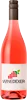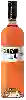
Château Saint-EspritGrande Cuvée Côtes de Provence
 Red wine



This wine generally goes well with poultry, beef or lamb.

Food and wine pairings with Grande Cuvée Côtes de Provence
Pairings that work perfectly with Grande Cuvée Côtes de Provence



Original food and wine pairings with Grande Cuvée Côtes de Provence


The Grande Cuvée Côtes de Provence of Château Saint-Esprit matches generally quite well with dishes of beef, lamb or spicy food such as recipes of harira de mamie (moroccan soup), berber giblet frying pan or traditional tunisian couscous.
Details and technical informations about Château Saint-Esprit's Grande Cuvée Côtes de Provence.
Discover the grape variety: Cabernet-Sauvignon
Structured, tannic reds, deeply coloured, with aromas of blackcurrant, blackberry, cedar, tobacco and graphite, underpinned by firm acidity and fine ageing potential. Cornerstone of the great Médoc estates (Pauillac, Saint-Estèphe, Saint-Julien) and signature of Napa Valley, Coonawarra and Maipo. The world's most planted red variety, a natural cross of Cabernet Franc x Sauvignon Blanc born in Bordeaux.
Informations about the Château Saint-Esprit
The Château Saint-Esprit is one of of the world's greatest estates. It offers 17 wines for sale in the of Côtes de Provence to come and discover on site or to buy online.

The wine region of Côtes de Provence
World reference for pale, elegant rosé: salmon to onion-skin hue, notes of strawberry, pink grapefruit, white peach and flowers, fresh, dry, mineral palate, taut finish. 90% of output, the Provençal signature. Grenache, Cinsault, Syrah and native Tibouren in the blend. A few fleshy Mediterranean reds (Mourvèdre, Syrah) and saline Vermentino whites.
The wine region of Provence
World capital of dry, refined rosé (~90% of production). Pale rose-petal colour, delicate nose of fresh red fruits (strawberry, raspberry, redcurrant), citrus (pink grapefruit), white flowers and a mineral touch, taut and thirst-quenching palate — the Mediterranean aperitif par excellence. Blends of Grenache, Cinsault, Syrah, Tibouren and Mourvèdre. Fleshy Bandol reds from Mourvèdre (leather, garrigue, age-worthy), straight Cassis whites.
The word of the wine: Second fermentation
In the making of champagne, fermentation of the base wine to which is added the liqueur de tirage and which takes place in the bottle. This second fermentation produces the carbon dioxide, and therefore the bubbles that make up the effervescence of the wine.