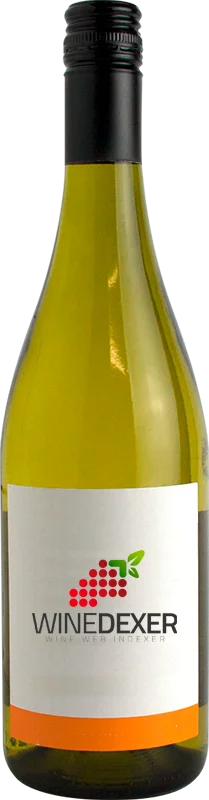
Winery RubinDon Rossi Belo
 White wine



This wine is a blend of 2 varietals which are the Chardonnay and the Riesling.
This wine generally goes well with pork, vegetarian or poultry.
Food and wine pairings with Don Rossi Belo
Pairings that work perfectly with Don Rossi Belo



Original food and wine pairings with Don Rossi Belo



The Don Rossi Belo of Winery Rubin matches generally quite well with dishes of pork, rich fish (salmon, tuna etc) or spicy food such as recipes of fricadella, salmon carpaccio with pink berries and shallots or chakchouka.
Details and technical informations about Winery Rubin's Don Rossi Belo.
Discover the grape variety: Chardonnay
The white Chardonnay is a grape variety that originated in France (Burgundy). It produces a variety of grape specially used for wine making. It is rare to find this grape to eat on our tables. This variety of grape is characterized by small bunches, and small grapes. White Chardonnay can be found in many vineyards: South West, Burgundy, Jura, Languedoc & Roussillon, Cognac, Bordeaux, Beaujolais, Savoie & Bugey, Loire Valley, Champagne, Rhone Valley, Armagnac, Lorraine, Alsace, Provence & Corsica.
Last vintages of this wine
The best vintages of Don Rossi Belo from Winery Rubin are 0
Informations about the Winery Rubin
The Winery Rubin is one of of the world's great estates. It offers 42 wines for sale in the of Central Serbia to come and discover on site or to buy online.

The wine region of Central Serbia
The wine region of Central Serbia of Serbia. Wineries and vineyards like the Domaine Matalj Vinarija or the Domaine Aleksandrovic produce mainly wines red, white and pink. The most planted grape varieties in the region of Central Serbia are Cabernet-Sauvignon, Merlot and Chardonnay, they are then used in wines in blends or as a single variety. On the nose of Central Serbia often reveals types of flavors of minerality, oil or cheese and sometimes also flavors of floral, cream or smoke.
The word of the wine: Musty (taste of)
A disgusting taste due to a defect in the grapes or, more commonly, a defect in the barrel.