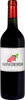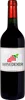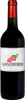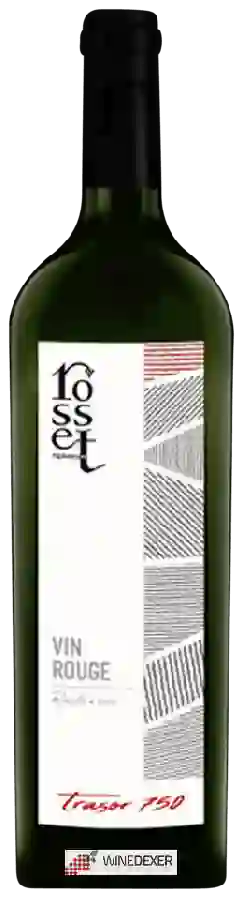
Winery RossetTrasor
 Red wine



In the mouth this red wine is a with a nice freshness.
This wine generally goes well with beef, game (deer, venison) or lamb.

Taste structure of the Trasor from the Winery Rosset
Light | Bold | |
Smooth | Tannic | |
Dry | Sweet | |
Soft | Acidic |
In the mouth the Trasor of Winery Rosset in the region of Valle d'Aosta is a with a nice freshness.
Wine flavors and olphactive analysis

On the nose the Trasor of Winery Rosset in the region of Valle d'Aosta often reveals types of flavors of spices.
Food and wine pairings with Trasor
Pairings that work perfectly with Trasor



Original food and wine pairings with Trasor

The Trasor of Winery Rosset matches generally quite well with dishes of beef, pasta or lamb such as recipes of sauté of lamb with curry, ricotta and spinach lasagna or 7 o'clock leg of lamb.
Details and technical informations about Winery Rosset's Trasor.
Discover the grape variety: Tressailler
Light, lively whites to drink young with a pale golden robe, an airy palate with preserved acidity, and discreet aromas of citrus (lemon), white flowers and fresh herbal notes. Also used in sparkling base wines. A component of Saint-Pourçain AOC in Auvergne and participant in Crémant de Bourgogne. Also called Sacy, this indigenous French white from the Allier and Bourbonnais defines northern Burgundy.
Last vintages of this wine
The best vintages of Trasor from Winery Rosset are 2018, 2016, 0
Informations about the Winery Rosset
The Winery Rosset is one of of the world's greatest estates. It offers 10 wines for sale in the of Valle d'Aosta to come and discover on site or to buy online.

The wine region of Valle d'Aosta
Italy's smallest vineyard (~500 ha) between Mont Blanc and Canavese, among Europe's highest vines (up to 1,200 m at Morgex). Native Petit Rouge signature: fine, fresh reds with signature notes of raspberry, violet, alpine herbs, sweet spices and a mineral touch, silky tannins. Local Cornalin, Fumin and Mayolet complete. Firm Nebbiolo (Picotendro), light Gamay.
The word of the wine: Cornalin
Black grape variety native to the Valais (Switzerland). It produces renowned wines of a dark purple colour with violet hues, an elegant bouquet and a powerful, fresh, fruity (cherry) and spicy palate. Cornalin wines can be drunk young or after several years of ageing, with game.