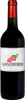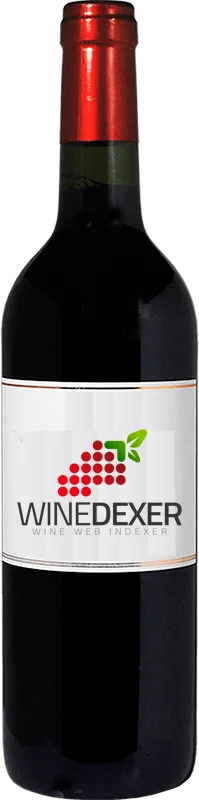
Winery RossetSyrah Vallée d&rsquoAoste
 Red wine



In the mouth this red wine is a powerful with a nice freshness.
This wine generally goes well with beef, game (deer, venison) or lamb.

Taste structure of the Syrah Vallée d&rsquoAoste from the Winery Rosset
Light | Bold | |
Smooth | Tannic | |
Dry | Sweet | |
Soft | Acidic |
In the mouth the Syrah Vallée d&rsquoAoste of Winery Rosset in the region of Valle d'Aosta is a powerful with a nice freshness.


Food and wine pairings with Syrah Vallée d&rsquoAoste
Pairings that work perfectly with Syrah Vallée d&rsquoAoste



Original food and wine pairings with Syrah Vallée d&rsquoAoste

The Syrah Vallée d&rsquoAoste of Winery Rosset matches generally quite well with dishes of beef, pasta or lamb such as recipes of beef marengo "my mom" style, pasta with avocado or pumpkin parmentier hash.
Details and technical informations about Winery Rosset's Syrah Vallée d&rsquoAoste.
Discover the grape variety: Gamay blanc
Supple and fruity whites to drink young, pale golden robe, airy palate with moderate acidity, signature aromas of white-fleshed fruits (apple, pear) and white flowers. Discreet Beaujolais profile. Now rare, grown in negligible quantities in Beaujolais and Mâconnais, used in artisanal micro-cuvées. White-skinned mutation of Gamay Noir, better known as Gamay Blanc Gloriod, obtained by Henri Gloriod in the 20th century.
Last vintages of this wine
The best vintages of Syrah Vallée d&rsquoAoste from Winery Rosset are 2018, 2017, 2015, 2013 and 2014.
Informations about the Winery Rosset
The Winery Rosset is one of of the world's greatest estates. It offers 10 wines for sale in the of Valle d'Aosta to come and discover on site or to buy online.

The wine region of Valle d'Aosta
Italy's smallest vineyard (~500 ha) between Mont Blanc and Canavese, among Europe's highest vines (up to 1,200 m at Morgex). Native Petit Rouge signature: fine, fresh reds with signature notes of raspberry, violet, alpine herbs, sweet spices and a mineral touch, silky tannins. Local Cornalin, Fumin and Mayolet complete. Firm Nebbiolo (Picotendro), light Gamay.
The word of the wine: Bite
Said of a wine with exacerbated acidity.