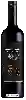
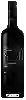
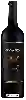
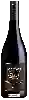
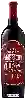
The Winery Rosenblum Cellars of Lodi of California
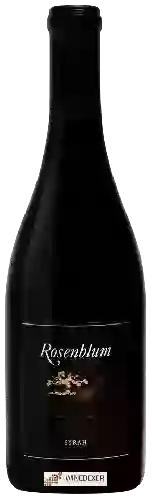
Winery Rosenblum Cellars
The winery offers 129 different wines
3.6


Note - 1Note - 1Note - 1Note - 0.5Note - 0
Its wines get an average rating of 3.6.
This estate is part of the Treasury Wine Estates.
It is ranked in the top 3694 of the estates of California.
It is located in Lodi in the region of California
Find the Winery Rosenblum Cellars on Facebook and on Twitter

The Winery Rosenblum Cellars is one of the best wineries to follow in Lodi.. It offers 129 wines for sale in of Lodi to come and discover on site or to buy online.
Top Winery Rosenblum Cellars wines

Looking for the best Winery Rosenblum Cellars wines in Lodi among all the wines in the region? Check out our tops of the best red, white or effervescent Winery Rosenblum Cellars wines. Also find some food and wine pairings that may be suitable with the wines from this area. Learn more about the region and the Winery Rosenblum Cellars wines with technical and enological descriptions.

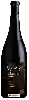
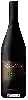
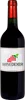
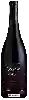
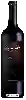
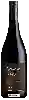
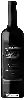
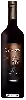
The top red wines of Winery Rosenblum Cellars

Food and wine pairings with a red wine of Winery Rosenblum Cellars

How Winery Rosenblum Cellars wines pair with each other generally quite well with dishes of beef, lamb or game (deer, venison) such as recipes of steak tartare, leg of lamb with baked potatoes or fillet of venison.

Organoleptic analysis of red wines of Winery Rosenblum Cellars

On the nose the red wine of Winery Rosenblum Cellars. often reveals types of flavors of oak, non oak or spices and sometimes also flavors of red fruit, black fruit or dried fruit. In the mouth the red wine of Winery Rosenblum Cellars. is a powerful.

The best vintages in the red wines of Winery Rosenblum Cellars

  • 2003With an average score of 4.50/5
  • 2009With an average score of 4.00/5
  • 2006With an average score of 3.99/5
  • 2010With an average score of 3.86/5
  • 2011With an average score of 3.84/5
  • 2004With an average score of 3.80/5

The grape varieties most used in the red wines of Winery Rosenblum Cellars.

  • Zinfandel
  • Shiraz/Syrah
  • Petite Sirah
  • Cabernet Sauvignon
  • Carignan
  • Mourvedre

Discovering the wine region of Lodi

The wine region of Lodi is located in the region of Central Valley of Central Valley of United States. We currently count 739 estates and châteaux in the of Lodi, producing 1731 different wines in conventional, organic and biodynamic agriculture. The wines of Lodi go well with generally quite well with dishes .
The top sweet wines of Winery Rosenblum Cellars

Food and wine pairings with a sweet wine of Winery Rosenblum Cellars

How Winery Rosenblum Cellars wines pair with each other generally quite well with dishes of beef, lamb or veal such as recipes of oxtail with seed sauce, tanjia (lamb shoulder confit) or tête de veau sauce moi.

Organoleptic analysis of sweet wines of Winery Rosenblum Cellars

On the nose the sweet wine of Winery Rosenblum Cellars. often reveals types of flavors of oak, red fruit or black fruit.

The best vintages in the sweet wines of Winery Rosenblum Cellars

  • 2013With an average score of 3.80/5
  • 0With an average score of 3.66/5

The grape varieties most used in the sweet wines of Winery Rosenblum Cellars.

  • Zinfandel
  • Moscato
  • Shiraz/Syrah
  • Touriga Nacional
  • Muscat Blanc
  • Petite Sirah

Discover the grape variety: Pinot noir

Pinot noir is an important red grape variety in Burgundy and Champagne, and its reputation is well known! Great wines such as the Domaine de la Romanée Conti elaborate their wines from this famous grape variety, and make it a great variety. When properly vinified, pinot noit produces red wines of great finesse, with a wide range of aromas depending on its advancement (fruit, undergrowth, leather). it is also the only red grape variety authorized in Alsace. Pinot Noir is not easily cultivated beyond our borders, although it has enjoyed some success in Oregon, the United States, Australia and New Zealand.

The top white wines of Winery Rosenblum Cellars

Food and wine pairings with a white wine of Winery Rosenblum Cellars

How Winery Rosenblum Cellars wines pair with each other generally quite well with dishes of pork, rich fish (salmon, tuna etc) or vegetarian such as recipes of savoyard crozet gratin, baked salmon mediterranean style or broccoli and blue cheese quiche without pastry.

Organoleptic analysis of white wines of Winery Rosenblum Cellars

On the nose the white wine of Winery Rosenblum Cellars. often reveals types of flavors of non oak, earth or microbio and sometimes also flavors of vegetal, oak or tree fruit. In the mouth the white wine of Winery Rosenblum Cellars. is a powerful with a nice freshness.

The best vintages in the white wines of Winery Rosenblum Cellars

  • 2018With an average score of 3.70/5
  • 2009With an average score of 3.70/5
  • 2012With an average score of 3.60/5
  • 1975With an average score of 3.60/5
  • 2015With an average score of 3.50/5
  • 2013With an average score of 3.50/5

The grape varieties most used in the white wines of Winery Rosenblum Cellars.

  • Chardonnay
  • Sauvignon Blanc
  • Viognier
  • Marsanne

The word of the wine: Wiring

Action of periodically filling barrels containing wine, in order to offset evaporation and maintain a maximum level. The topping up allows to avoid the phenomenon of oxidation.

Discover other wineries and winemakers neighboring the Winery Rosenblum Cellars

Planning a wine route in the of Lodi? Here are the wineries to visit and the winemakers to meet during your trip in search of wines similar to Winery Rosenblum Cellars.

Discover the grape variety: Zinfandel

From Croatia where it is called crljenak kastelanski or pribidrag. According to genetic analyses carried out by Professor Carole Meredith of California University in Davis (United States), it is related to the Croatian plavac mali and Zinfandel. It is also found in South Africa, New Zealand, Chile, Brazil, Germany, Bulgaria, Albania, Italy under the name of Primitivo, Malta, Greece, Portugal and to some extent in Croatia. In the United States (California), it is one of the most widely planted grape varieties, having been introduced in the 1830s well before Primitivo. In France, it is registered in the official catalogue of vine varieties on the A1 list under the name Primitivo.