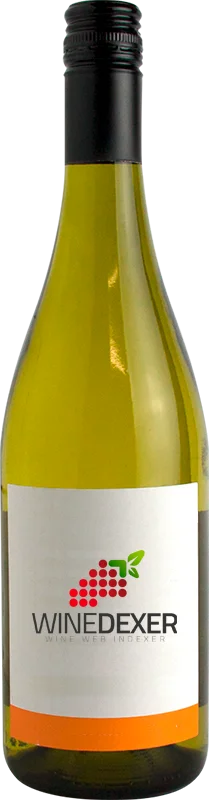
Winery RoquevaleTerras de Xisto Branco
 White wine


In the mouth this white wine is a .
This wine generally goes well with pork, lean fish or shellfish.
Taste structure of the Terras de Xisto Branco from the Winery Roquevale
Light | Bold | |
Dry | Sweet | |
Soft | Acidic |
In the mouth the Terras de Xisto Branco of Winery Roquevale in the region of Alentejano is a .
Food and wine pairings with Terras de Xisto Branco
Pairings that work perfectly with Terras de Xisto Branco



Original food and wine pairings with Terras de Xisto Branco

The Terras de Xisto Branco of Winery Roquevale matches generally quite well with dishes of pasta, pork or shellfish such as recipes of lasagna with pointed cabbage, rougail sausage or shrimps with curry and coconut milk.
Details and technical informations about Winery Roquevale's Terras de Xisto Branco.
Discover the grape variety: Fernao Pires
In Portugal, it is one of the most planted white grape varieties, and we have found it to be very similar to the torrontés grown in Spain (Galicia). It can be found in Australia and South Africa, but is almost unknown in France.
Last vintages of this wine

The best vintages of Terras de Xisto Branco from Winery Roquevale are 2018, 2013, 2017, 2015 and 2014.
Informations about the Winery Roquevale
The Winery Roquevale is one of of the world's great estates. It offers 47 wines for sale in the of Alentejano to come and discover on site or to buy online.

The wine region of Alentejano
Tejo">Alentejo is a well-known, highly respected wine region in eastern Portugal. This hot, Dry area covers approximately a third of the country and is best known for its red wine, the best of which are sold under the and Alentejo DOC (Denominacao de Origem Controlada) title. Wine from Alentejo is typically made from Aragonez (Tempranillo), Castelao, Trincadeira or a Rich, ripe, jammy blend of the three. Antao Vaz is the white variety of choice here, producing a good level of Acidity and tropical fruit flavors.
The word of the wine: Bordeaux barrel
Barrels of 220 to 225 litres. The toasting of the barrel to bend the staves (curved boards used to make the barrels) can vary according to the coopers and the demand. A gentle and slow toasting has little effect on the aromas. On the other hand, a strong toasting gives aromas of coffee or cocoa which will influence the taste of the wine. A wine barrel has already been aged for a year and has less impact on the wine than a new barrel.