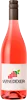
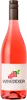
Winery RiveraCastel del Monte Rosé
 Pink wine



This wine is composed of 100% of the grape variety Merlot.
This wine generally goes well with beef and game (deer, venison).

Wine flavors and olphactive analysis




On the nose the Castel del Monte Rosé of Winery Rivera in the region of Puglia often reveals types of flavors of earth, oak or red fruit.
Food and wine pairings with Castel del Monte Rosé
Pairings that work perfectly with Castel del Monte Rosé


Original food and wine pairings with Castel del Monte Rosé
The Castel del Monte Rosé of Winery Rivera matches generally quite well with dishes of beef or game (deer, venison) such as recipes of beef bourguignon with cookéo or duck breast with pepper sauce.
Details and technical informations about Winery Rivera's Castel del Monte Rosé.
Discover the grape variety: Merlot
Round and fleshy reds with a velvety texture, showing aromas of ripe plum, black cherry, cocoa and truffle notes with age. Supple tannins, generous alcohol, indulgent finish. Pillar of Libournais (Pomerol with Pétrus, Saint-Émilion with Cheval Blanc and Ausone) and signature of Super Tuscans, Italian Wales and Washington State. A cross of Cabernet Franc × Magdeleine Noire, France's most planted red variety.
Last vintages of this wine
The best vintages of Castel del Monte Rosé from Winery Rivera are 2017, 2019, 2018, 2016 and 0.
Informations about the Winery Rivera
The Winery Rivera is one of of the world's great estates. It offers 39 wines for sale in the of Castel del Monte to come and discover on site or to buy online.

The wine region of Castel del Monte
Apulia DOC around Frederick II's octagonal castle (UNESCO), limestone hills northwest of Bari, Mediterranean climate. Nero di Troia signature red king: structured and spicy with black cherry, blackberry, plum, violet, liquorice, herbs and smoky touch, firm tannins (Riserva DOCG). Bombino Nero as flagship DOCG rosé (strawberry, raspberry, citrus). Firm Aglianico and fleshy Montepulciano complementary.
The wine region of Puglia
Heel of the boot, 80% red vineyard, sunny and generous. Fleshy, jammy Primitivo (= Zinfandel) with notes of black cherry, plum, chocolate and spices, powerful alcohol and melted tannins, a star in Primitivo di Manduria. Deep, structured Negroamaro (black-bitter) with a bitter finish in Salice Salentino. Structured Nero di Troia, spicy Susumaniello.
The word of the wine: Trading
Term used to designate the wine trade and related professions. Sometimes used in contrast to viticulture.