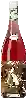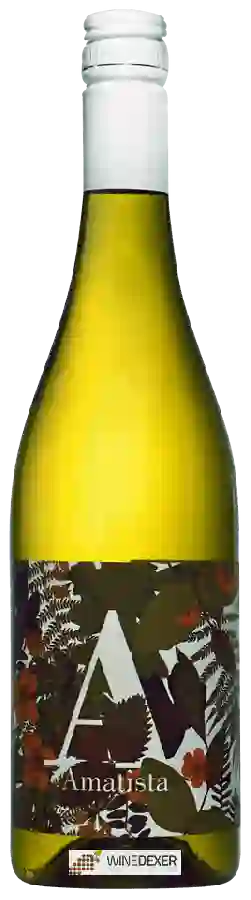
Winery ReymosAmatista Moscato
 Sparkling wine


In the mouth this sparkling wine is a with fine and regular bubbles.
This wine generally goes well with appetizers and snacks, lean fish or shellfish.
The Amatista Moscato of the Winery Reymos is in the top 50 of wines of Valence.

Taste structure of the Amatista Moscato from the Winery Reymos
Light | Bold | |
Soft | Acidic | |
Gentle | Fizzy |
In the mouth the Amatista Moscato of Winery Reymos in the region of Valence is a with fine and regular bubbles.
Wine flavors and olphactive analysis


On the nose the Amatista Moscato of Winery Reymos in the region of Valence often reveals types of flavors of green apple, melon or tree fruit and sometimes also flavors of floral, tropical fruit.
Food and wine pairings with Amatista Moscato
Pairings that work perfectly with Amatista Moscato



Original food and wine pairings with Amatista Moscato

The Amatista Moscato of Winery Reymos matches generally quite well with dishes of shellfish, appetizers and snacks or lean fish such as recipes of fried rice with shrimp and chicken, rice and cheese ball or ceviche of cod (mexico).
Details and technical informations about Winery Reymos's Amatista Moscato.
Discover the grape variety: São Mamede
Fresh, fruity whites for early drinking, with a pale golden hue, light palate and moderate acidity, showing aromas of citrus (lemon), white flowers, white fruits (apple, pear) and herbal notes. Confidential heritage profile. A rare variety preserved for its patrimonial interest in southern Portugal. Rare Portuguese white grape grown in the Alentejo, around the Serra de São Mamede.
Last vintages of this wine
The best vintages of Amatista Moscato from Winery Reymos are 2019, 2018, 2016, 2015 and 2014.
Informations about the Winery Reymos
The Winery Reymos is one of of the world's greatest estates. It offers 25 wines for sale in the of Valence to come and discover on site or to buy online.

The wine region of Valence
Sunny Mediterranean Levant, sun-drenched accessible wines. Monastrell (Mourvèdre) star red in Alicante: fleshy and deep with black fruits, garrigue, leather and spice, firm tannins. Round, fruity Bobal from Utiel-Requena, supple Garnacha, juicy Tempranillo. Fresh whites: light Merseguera, aromatic Moscatel (fresh grape, flowers).
The word of the wine: Barrel
Bordeaux barrel of 225 litres, used to determine the tonneau (unit of measurement corresponding to four barrels, or 900 litres).