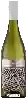
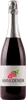
Winery Viña CéciliaMoscato Rosé
 Sparkling wine


In the mouth this sparkling wine is a with a nice vivacity and a fine and pleasant bubble.
This wine generally goes well with appetizers and snacks, lean fish or shellfish.
The Moscato Rosé of the Winery Viña Cécilia is in the top 30 of wines of Valence.

Taste structure of the Moscato Rosé from the Winery Viña Cécilia
Light | Bold | |
Soft | Acidic | |
Gentle | Fizzy |
In the mouth the Moscato Rosé of Winery Viña Cécilia in the region of Valence is a with a nice vivacity and a fine and pleasant bubble.
Wine flavors and olphactive analysis


On the nose the Moscato Rosé of Winery Viña Cécilia in the region of Valence often reveals types of flavors of red fruit.
Food and wine pairings with Moscato Rosé
Pairings that work perfectly with Moscato Rosé



Original food and wine pairings with Moscato Rosé

The Moscato Rosé of Winery Viña Cécilia matches generally quite well with dishes of shellfish, appetizers and snacks or lean fish such as recipes of mussels with curry, verrine of beetroot and lump roe or skewers of marinated white fish.
Details and technical informations about Winery Viña Cécilia's Moscato Rosé.
Discover the grape variety: Braucol
Structured, intensely coloured reds with a deep ruby colour, firm tannins and a dense palate, showing signature aromas of black fruits (blackberry, blackcurrant), red pepper, spices, pepper, aromatic herbs and earthy notes. Fine ageing potential with a strong, authentic character. Star of Gaillac AOC, Marcillac AOC, Estaing AOC and Entraygues-Le Fel AOC. Synonym of Fer Servadou, indigenous French variety of the south-western Aveyron and Tarn.
Last vintages of this wine
The best vintages of Moscato Rosé from Winery Viña Cécilia are 2017, 2014, 0, 2018
Informations about the Winery Viña Cécilia
The Winery Viña Cécilia is one of of the world's greatest estates. It offers 4 wines for sale in the of Valence to come and discover on site or to buy online.

The wine region of Valence
Sunny Mediterranean Levant, sun-drenched accessible wines. Monastrell (Mourvèdre) star red in Alicante: fleshy and deep with black fruits, garrigue, leather and spice, firm tannins. Round, fruity Bobal from Utiel-Requena, supple Garnacha, juicy Tempranillo. Fresh whites: light Merseguera, aromatic Moscatel (fresh grape, flowers).
The word of the wine: Erinosis
Generally benign condition caused by a very small mite. The infested leaves show blisters on the upper surface, sometimes reddish, sometimes green, to which corresponds on the lower surface a dense felting, first pinkish white, then brownish or reddish.