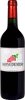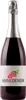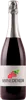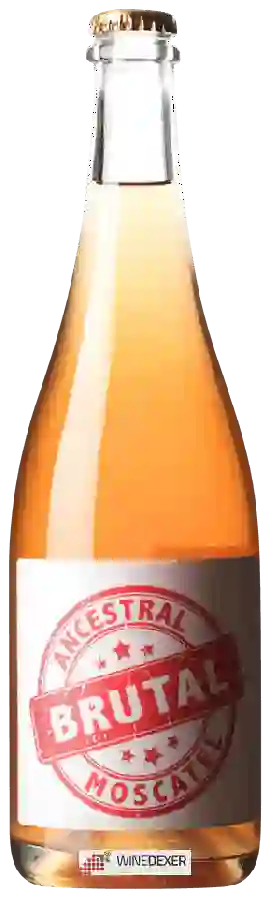
Winery CuevaAncestral Moscatel Brutal
 Sparkling wine


In the mouth this sparkling wine is a with a nice vivacity and a fine and pleasant bubble.
This wine generally goes well with appetizers and snacks, lean fish or shellfish.
The Ancestral Moscatel Brutal of the Winery Cueva is in the top 40 of wines of Valence.
Taste structure of the Ancestral Moscatel Brutal from the Winery Cueva
Light | Bold | |
Soft | Acidic | |
Gentle | Fizzy |
In the mouth the Ancestral Moscatel Brutal of Winery Cueva in the region of Valence is a with a nice vivacity and a fine and pleasant bubble.
Wine flavors and olphactive analysis





On the nose the Ancestral Moscatel Brutal of Winery Cueva in the region of Valence often reveals types of flavors of non oak, microbio or vegetal and sometimes also flavors of oak, tree fruit or citrus fruit.
Food and wine pairings with Ancestral Moscatel Brutal
Pairings that work perfectly with Ancestral Moscatel Brutal



Original food and wine pairings with Ancestral Moscatel Brutal

The Ancestral Moscatel Brutal of Winery Cueva matches generally quite well with dishes of shellfish, appetizers and snacks or lean fish such as recipes of violet omelette, biscuits for dogs or fillets of sole.
Details and technical informations about Winery Cueva's Ancestral Moscatel Brutal.
Discover the grape variety: Etraire de l'Aduï
Would be finding its first origins in the valley of Isere, one would have indeed found it in the Mas de l'Aduï in Saint Ismier. We find a certain resemblance with the Persian. Today its multiplication in nurseries is very weak, registered however with the official Catalogue of the varieties of vine list A1 under the name of Etraire de la Dui.
Last vintages of this wine
The best vintages of Ancestral Moscatel Brutal from Winery Cueva are 2017, 0, 2019, 2018
Informations about the Winery Cueva
The Winery Cueva is one of of the world's greatest estates. It offers 29 wines for sale in the of Valence to come and discover on site or to buy online.

The wine region of Valence
Valencia is a province in the centre of Spain's sunny east coast, perhaps better known for its oranges (and paella) than its wine. The administrative Center of Valencia is the city of the same name, the third largest in Spain and the largest port on the Mediterranean. Archaeological evidence suggests that wine making in Valencia dates back more than a thousand years, but the region has never been particularly prominent on the world wine map. In modern times, Valencia's wine production has focused on quantity rather than quality, although this is gradually changing.
The word of the wine: Fade
Wine lacking in sapidity, flat, soft and without character.