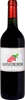
Winery CuevaBarrica Selección
 wine
wine
This wine generally goes well with
The Barrica Selección of the Winery Cueva is in the top 0 of wines of Utiel-Requena.
Details and technical informations about Winery Cueva's Barrica Selección.
Discover the grape variety: Etraire de la Dui
Etraire de la Dui is a black grape variety, originating from the department of Isère. It is so similar to the Persian that many people have difficulty differentiating between them. This resemblance has earned it the nickname "gros persan". This grape variety is now in danger of extinction. It is only cultivated on 10ha. The leaves of the Dui are large and have convex teeth. Its bunches and berries are generally large. A vigorous variety, it is quite productive and prefers a short pruning. This plant appreciates deep, clay-limestone soils. With an average budburst, it reaches maturity in the second half of the year. It fears winter frosts and is susceptible to shattering, especially when fully ripe. On the other hand, it defends itself well against powdery mildew and grey rot. This variety produces concentrated, colorful and tannic wines. Some of them are astringent when the grape variety is too ripe.
Informations about the Winery Cueva
The Winery Cueva is one of of the world's great estates. It offers 29 wines for sale in the of Utiel-Requena to come and discover on site or to buy online.

The wine region of Utiel-Requena
The wine region of Utiel-Requena is located in the region of Valence of Spain. Wineries and vineyards like the Domaine Hispano Suizas or the Domaine Bodegas 6º Elemento - Vino Sexto Elemento produce mainly wines red, white and pink. The most planted grape varieties in the region of Utiel-Requena are Bobal, Tempranillo and Cabernet-Sauvignon, they are then used in wines in blends or as a single variety. On the nose of Utiel-Requena often reveals types of flavors of blackberry, lime or licorice and sometimes also flavors of cream, nectarine or oil.
The wine region of Valence
Valencia is a province in the centre of Spain's sunny east coast, perhaps better known for its oranges (and paella) than its wine. The administrative Center of Valencia is the city of the same name, the third largest in Spain and the largest port on the Mediterranean. Archaeological evidence suggests that wine making in Valencia dates back more than a thousand years, but the region has never been particularly prominent on the world wine map. In modern times, Valencia's wine production has focused on quantity rather than quality, although this is gradually changing.
The word of the wine: Phylloxera
Aphid that came from America and ravaged European vineyards at the end of the 19th century. It lives on the roots of the vine, from which it pumps the sap. The only vines capable of resisting it had to be imported from the United States, and then grafted onto their root system the wood of traditional French grape varieties. Today, grafted vines are always planted.