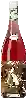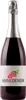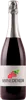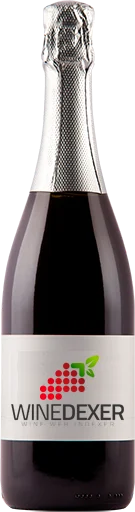
Winery ReymosAmatista Mediterranean Moscato
 Sparkling wine



In the mouth this sparkling wine is a with fine and regular bubbles.
This wine generally goes well with appetizers and snacks, lean fish or shellfish.
Taste structure of the Amatista Mediterranean Moscato from the Winery Reymos
Light | Bold | |
Soft | Acidic | |
Gentle | Fizzy |
In the mouth the Amatista Mediterranean Moscato of Winery Reymos in the region of Valence is a with fine and regular bubbles.
Food and wine pairings with Amatista Mediterranean Moscato
Pairings that work perfectly with Amatista Mediterranean Moscato



Original food and wine pairings with Amatista Mediterranean Moscato

The Amatista Mediterranean Moscato of Winery Reymos matches generally quite well with dishes of shellfish, appetizers and snacks or lean fish such as recipes of quick crayfish chicken, koka (spanish pie) or provencal bourride.
Details and technical informations about Winery Reymos's Amatista Mediterranean Moscato.
Discover the grape variety: Cabernet-Cubin
An intraspecific cross between Limberger and Cabernet Sauvignon obtained in 1970 by Bernard Hill of the Weinsberg Research Institute in Germany. It can be found in Germany, Italy and the United Kingdom, but is virtually unknown in France.
Last vintages of this wine
The best vintages of Amatista Mediterranean Moscato from Winery Reymos are 2008, 0
Informations about the Winery Reymos
The Winery Reymos is one of of the world's greatest estates. It offers 25 wines for sale in the of Valence to come and discover on site or to buy online.

The wine region of Valence
Valencia is a province in the centre of Spain's sunny east coast, perhaps better known for its oranges (and paella) than its wine. The administrative Center of Valencia is the city of the same name, the third largest in Spain and the largest port on the Mediterranean. Archaeological evidence suggests that wine making in Valencia dates back more than a thousand years, but the region has never been particularly prominent on the world wine map. In modern times, Valencia's wine production has focused on quantity rather than quality, although this is gradually changing.
The word of the wine: Breeding
It can last for several years. The bottles are stacked in the cellars and waited for the light and heat. The yeasts gradually give the wine compounds that enrich it. A long maturation is a guarantee of quality.