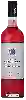
Winery Quinta do ParalRosé
 Pink wine


This wine generally goes well with beef, lamb or mature and hard cheese.

Food and wine pairings with Rosé
Pairings that work perfectly with Rosé



Original food and wine pairings with Rosé

The Rosé of Winery Quinta do Paral matches generally quite well with dishes of beef, lamb or spicy food such as recipes of savoyard matafans, greek-style shepherd's pie or pakistani rice (biryani).
Details and technical informations about Winery Quinta do Paral's Rosé.
Discover the grape variety: Perdin
Simple, fresh dry whites with a pale golden colour, supple palate with moderate acidity, showing undemonstrative aromas of citrus and white flowers. Discreet rustic profile. Almost extinct, preserved in INRAE varietal collections for its heritage value, a witness to the pre-phylloxera ampelographic diversity of the South-West and part of the heritage varieties under study. Rare French white variety, formerly grown in the South-West.
Last vintages of this wine
The best vintages of Rosé from Winery Quinta do Paral are 0, 2019
Informations about the Winery Quinta do Paral
The Winery Quinta do Paral is one of of the world's greatest estates. It offers 9 wines for sale in the of Alentejano to come and discover on site or to buy online.

The wine region of Alentejano
Star of southern Portugal's great reds, sunny and opulent wines. Typical blends: round fruity Aragonez (Tempranillo), spicy Trincadeira, Touriga Nacional (black fruits, violet), deep teinturier Alicante Bouschet, juicy Castelão. Fleshy reds with notes of plum, black cherry, cocoa and sweet spices, melted tannins. Ample fresh Antão Vaz and Arinto whites.
The word of the wine: Alcohol content
Quantity of alcohol in wine and in all alcoholic beverages, expressed in degrees or as a percentage.