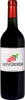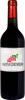
Winery Quinta de AlcubeTrincadeira
 Red wine


In the mouth this red wine is a powerful.
This wine generally goes well with poultry, beef or veal.
Taste structure of the Trincadeira from the Winery Quinta de Alcube
Light | Bold | |
Smooth | Tannic | |
Dry | Sweet | |
Soft | Acidic |
In the mouth the Trincadeira of Winery Quinta de Alcube in the region of Península de Setúbal is a powerful.
Wine flavors and olphactive analysis




On the nose the Trincadeira of Winery Quinta de Alcube in the region of Península de Setúbal often reveals types of flavors of earth, microbio or oak and sometimes also flavors of red fruit, black fruit.
Food and wine pairings with Trincadeira
Pairings that work perfectly with Trincadeira



Original food and wine pairings with Trincadeira

The Trincadeira of Winery Quinta de Alcube matches generally quite well with dishes of beef, lamb or veal such as recipes of roast beef with caramelized onion, lamb curry or filet mignon with prunes and white wine.
Details and technical informations about Winery Quinta de Alcube's Trincadeira.
Discover the grape variety: Gouget
Gouget noir is a grape variety that originated in France. It produces a variety of grape specially used for wine making. It is rare to find this grape to eat on our tables. Gouget noir can be found cultivated in these vineyards: South-West, Cognac, Bordeaux, Provence & Corsica, Rhone Valley.
Last vintages of this wine

The best vintages of Trincadeira from Winery Quinta de Alcube are 2012, 2013, 2018, 2016 and 2015.
Informations about the Winery Quinta de Alcube
The Winery Quinta de Alcube is one of of the world's greatest estates. It offers 28 wines for sale in the of Península de Setúbal to come and discover on site or to buy online.

The wine region of Península de Setúbal
Setúbal Peninsula (also known as Península de Setúbal) is the Portuguese wine region immediately southeast of Lisbon, across the Tejo estuary. The Terroir in the area ranges from sandy coastal plains to the craggy, limestone-rich Serra Arribida hills. The area is known for its Dry red wines made from Castelão, and for its fortified wines and Sweet Moscatel de Setúbal. The wines produced here are made under three titles: two DOCs, Palmela and Setúbal, and one IGP.
The word of the wine: VDN
Natural sweet wine. Wine obtained by mutage of the must during fermentation by adding over-finished alcohol at 96 °, produced in the vineyards of Roussillon, Languedoc, Rhone Valley and Corsica.