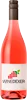
Winery Quinta de AlcubeAlvarinho - Touriga Nacional Rosé
 wine
wine
This wine generally goes well with
The Alvarinho - Touriga Nacional Rosé of the Winery Quinta de Alcube is in the top 0 of wines of Península de Setúbal.
Details and technical informations about Winery Quinta de Alcube's Alvarinho - Touriga Nacional Rosé.
Discover the grape variety: Lercat
Most certainly Pyrenean of Jurançonnais more precisely. It has long been confused with the lauzet, although its leaves are somewhat different. It is practically no longer present in the vineyards, which means that it is clearly on the way out. Published genetic analyses have revealed that it is related to one or more grape varieties, including Courbu Blanc. For more information, click here! - Synonymy: Arcat in Lasseube (Pyrénées atlantiques) (the synonymy of the grape varieties, click here!).
Last vintages of this wine



The best vintages of Alvarinho - Touriga Nacional Rosé from Winery Quinta de Alcube are 0
Informations about the Winery Quinta de Alcube
The Winery Quinta de Alcube is one of of the world's great estates. It offers 28 wines for sale in the of Península de Setúbal to come and discover on site or to buy online.

The wine region of Península de Setúbal
Setúbal Peninsula (also known as Península de Setúbal) is the Portuguese wine region immediately southeast of Lisbon, across the Tejo estuary. The Terroir in the area ranges from sandy coastal plains to the craggy, limestone-rich Serra Arribida hills. The area is known for its Dry red wines made from Castelão, and for its fortified wines and Sweet Moscatel de Setúbal. The wines produced here are made under three titles: two DOCs, Palmela and Setúbal, and one IGP.
The word of the wine: Cupbearer
Person in charge of choosing and serving wines. Old term for the sommelier.