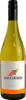
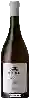
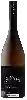
Winery SoviborBorba Tapada do Mosteiro
 White wine


In the mouth this white wine is a .
This wine generally goes well with pork, lean fish or shellfish.
Taste structure of the Borba Tapada do Mosteiro from the Winery Sovibor
Light | Bold | |
Dry | Sweet | |
Soft | Acidic |
In the mouth the Borba Tapada do Mosteiro of Winery Sovibor in the region of Alentejano is a .
Food and wine pairings with Borba Tapada do Mosteiro
Pairings that work perfectly with Borba Tapada do Mosteiro



Original food and wine pairings with Borba Tapada do Mosteiro

The Borba Tapada do Mosteiro of Winery Sovibor matches generally quite well with dishes of pasta, pork or shellfish such as recipes of spaghetti with squid ink (italy), turkey stuffed with chestnuts or blanquette of monkfish and scallops.
Details and technical informations about Winery Sovibor's Borba Tapada do Mosteiro.
Discover the grape variety: Ortega
An intraspecific cross between Müller-Thurgau and Siegerrebe obtained in 1948 by Hans Breider (1908-1960) at the Bavarian Research Station for Viticulture and Horticulture in Veitsnöchheim (Germany). Almost unknown in France, it can be found in Germany, Belgium, England, the United States and Canada. Its early maturity and muscatel taste have sometimes led to it being offered as a table grape on market stalls.
Last vintages of this wine
The best vintages of Borba Tapada do Mosteiro from Winery Sovibor are 0
Informations about the Winery Sovibor
The Winery Sovibor is one of of the world's great estates. It offers 22 wines for sale in the of Alentejano to come and discover on site or to buy online.

The wine region of Alentejano
Tejo">Alentejo is a well-known, highly respected wine region in eastern Portugal. This hot, Dry area covers approximately a third of the country and is best known for its red wine, the best of which are sold under the and Alentejo DOC (Denominacao de Origem Controlada) title. Wine from Alentejo is typically made from Aragonez (Tempranillo), Castelao, Trincadeira or a Rich, ripe, jammy blend of the three. Antao Vaz is the white variety of choice here, producing a good level of Acidity and tropical fruit flavors.
The word of the wine: Second fermentation
In the making of champagne, fermentation of the base wine to which is added the liqueur de tirage and which takes place in the bottle. This second fermentation produces the carbon dioxide, and therefore the bubbles that make up the effervescence of the wine.