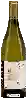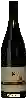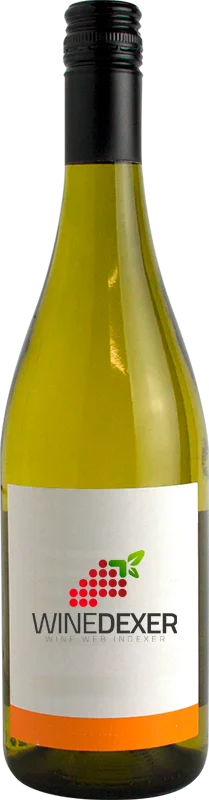
Winery Poderi MorettiGiajet
 White wine
In the mouth this white wine is a powerful.
This wine generally goes well with lean fish, shellfish or mature and hard cheese.

Taste structure of the Giajet from the Winery Poderi Moretti
Light | Bold | |
Dry | Sweet | |
Soft | Acidic |
In the mouth the Giajet of Winery Poderi Moretti in the region of Piedmont is a powerful.
Food and wine pairings with Giajet
Pairings that work perfectly with Giajet



Original food and wine pairings with Giajet


The Giajet of Winery Poderi Moretti matches generally quite well with dishes of pasta, shellfish or mature and hard cheese such as recipes of chinese noodles with vegetables and spices, pasta with scampi or savoy tomme and spinach pie.
Details and technical informations about Winery Poderi Moretti's Giajet.
Discover the grape variety: Bogdanusa
Crisp, aromatic dry whites with a pale golden color, slender palate and preserved acidity, offering signature aromas of citrus (lemon, mandarin), white flowers (acacia), green apple, Mediterranean herbs and characteristic saline marine notes. A thirst-quenching profile ideal with seafood. Star of Dalmatian island whites, grown almost exclusively on Hvar and Brač on limestone soils. Croatian indigenous variety, whose name evokes divinity (Bog = God).
Informations about the Winery Poderi Moretti
The Winery Poderi Moretti is one of of the world's greatest estates. It offers 21 wines for sale in the of Piedmont to come and discover on site or to buy online.

The wine region of Piedmont
Kingdom of Nebbiolo: Barolo and Barbaresco DOCG, long-ageing reds with firm tannins and lively acidity, complex aromas of withered rose, sour cherry, tar, truffle and undergrowth. More accessible, tangy Barbera on red fruit, supple, crisp Dolcetto. Sweet, floral sparkling Moscato d'Asti, mineral, lemony Gavi (Cortese) white, round, almondy Arneis from Roero. 50,000 ha across the Langhe, Roero and Monferrato, UNESCO.
The word of the wine: AOC
Appellation d'origine contrôlée. The most prestigious category of French wines created in the 1930s on the basis of quality criteria defined by a geographical delimitation, a chosen grape variety and precise production rules.