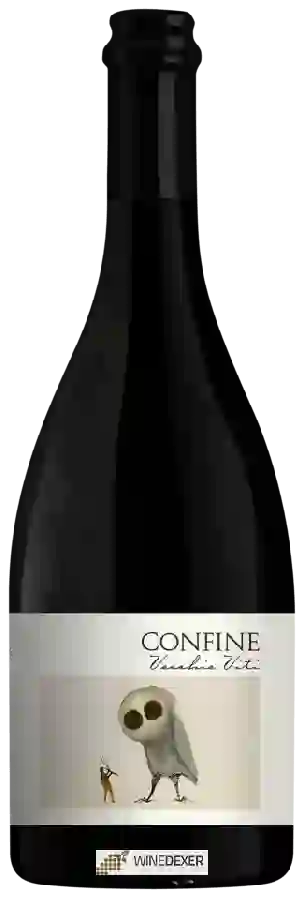
Winery Podere SottoilnoceVecchie Viti Confine
 Sparkling wine



This wine generally goes well with pork, beef or lamb.

Food and wine pairings with Vecchie Viti Confine
Pairings that work perfectly with Vecchie Viti Confine



Original food and wine pairings with Vecchie Viti Confine

The Vecchie Viti Confine of Winery Podere Sottoilnoce matches generally quite well with dishes of beef, lamb or pork such as recipes of thai beef curry, rice with paprika and merguez or tartiflette (from a real savoyard).
Details and technical informations about Winery Podere Sottoilnoce's Vecchie Viti Confine.
Discover the grape variety: Kadarka
Supple, spicy reds with a clear ruby robe, fine tannins and fresh acidity, showing aromas of red cherry, raspberry, sweet paprika, pepper, spices and herbal notes. Airy palate, signature spiced finish. Historic component of Bull's Blood (Egri Bikavér) and star of Szekszárd reds in Hungary; also present in Bulgaria, Serbia, Romania and North Macedonia. Native Hungarian variety, one of the most historic of the Balkans.
Last vintages of this wine
The best vintages of Vecchie Viti Confine from Winery Podere Sottoilnoce are 0
Informations about the Winery Podere Sottoilnoce
The Winery Podere Sottoilnoce is one of of the world's greatest estates. It offers 8 wines for sale in the of Emilia-Romagna to come and discover on site or to buy online.

The wine region of Emilia-Romagna
Kingdom of Lambrusco: fresh, fruity sparkling reds (blackberry, cherry, violet), from gourmet dry to convivial off-dry, perfect with local charcuterie. World's best-selling sparkling wine on the Emilia side (Sorbara, Grasparossa, Salamino). East, Romagna: supple fruity Sangiovese, Albana (Italy's 1st white DOCG, 1987) ample and almondy. Also red Gutturnio and white Pignoletto.
The word of the wine: Monopoly (raw)
Cru exploited exclusively by a domain. The famous Romanée Conti is a monopoly cru.