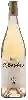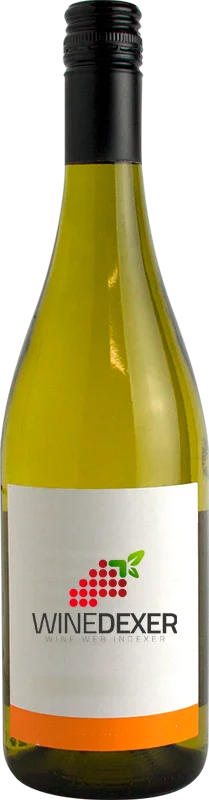
Winery Podere SassiPiccoli Passi
 White wine


In the mouth this white wine is a with a nice freshness.
This wine generally goes well with vegetarian, appetizers and snacks or lean fish.
Taste structure of the Piccoli Passi from the Winery Podere Sassi
Light | Bold | |
Dry | Sweet | |
Soft | Acidic |
In the mouth the Piccoli Passi of Winery Podere Sassi in the region of Lazio is a with a nice freshness.
Wine flavors and olphactive analysis

Food and wine pairings with Piccoli Passi
Pairings that work perfectly with Piccoli Passi



Original food and wine pairings with Piccoli Passi


The Piccoli Passi of Winery Podere Sassi matches generally quite well with dishes of pasta, vegetarian or appetizers and snacks such as recipes of cannelloni au gratin stuffed with bolognese sauce, quiche with bacon and gruyère cheese or peach and tuna verrine.
Details and technical informations about Winery Podere Sassi's Piccoli Passi.
Discover the grape variety: Putzcheere
It is believed to have originated in Hungary, in the region bordering Romania, from where it spread to Germany, Alsace and the southwest of France, particularly in the Gers and high Pyrenees departments. It is also found in the United States (California). Today, it is almost absent from French vineyards. - Synonyms: putchir, putscher, butschera (for all the synonyms of the grape varieties, click here!)
Last vintages of this wine
The best vintages of Piccoli Passi from Winery Podere Sassi are 0
Informations about the Winery Podere Sassi
The Winery Podere Sassi is one of of the world's greatest estates. It offers 6 wines for sale in the of Lazio to come and discover on site or to buy online.

The wine region of Lazio
Lazio is a region in CentralItaly, where the ancient capital of Rome is located. The region's reputation is based primarily on its white wines, the main varieties of which are Trebbiano, Malvasia di Candia and Malvasia Puntinata. Traditionally, these wines were fat, Round, abboccato and intended for immediate consumption. Today, the styles are lighter, drier and crisper thanks to modern winemaking methods.
The word of the wine: Sulphiting
Introduction of a sulphurous solution into a must or wine to protect it from accidents or diseases, or to select the ferments.