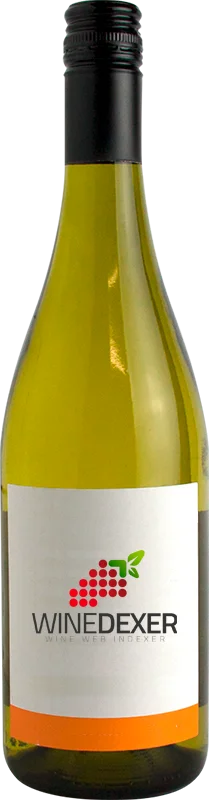
Château PlanèresCravate Green Côtes du Roussillon Blanc
 White wine
This wine generally goes well with vegetarian, poultry or lean fish.
Food and wine pairings with Cravate Green Côtes du Roussillon Blanc
Pairings that work perfectly with Cravate Green Côtes du Roussillon Blanc



Original food and wine pairings with Cravate Green Côtes du Roussillon Blanc


The Cravate Green Côtes du Roussillon Blanc of Château Planères matches generally quite well with dishes of pasta, vegetarian or poultry such as recipes of spaghetti with knackis, quiche with leeks and fresh salmon from flo or royal couscous.
Details and technical informations about Château Planères's Cravate Green Côtes du Roussillon Blanc.
Discover the grape variety: Nielluccio
The black Nielluccio is a grape variety originating from Italy. It produces a variety of grape specially used for the elaboration of wine. It is rare to find this grape to eat on our tables. The black Nielluccio can be found in several vineyards: Provence & Corsica, South-West, Cognac, Bordeaux, Languedoc & Roussillon, Rhone Valley, Loire Valley, Savoie & Bugey, Beaujolais.
Informations about the Château Planères
The Château Planères is one of wineries to follow in Côtes du Roussillon.. It offers 21 wines for sale in the of Côtes du Roussillon to come and discover on site or to buy online.

The wine region of Côtes du Roussillon
Côtes du Roussillon is an appellation contrôlée for red, white and rosé wines from the Roussillon wine region in southern France. It covers the eastern half of the administrative district of the Pyrénées-Orientales, on the eastern edge of the Pyrenees. The western half of the Pyrenees-Orientales is simply too mountainous for effective viticulture. In the Côtes du Roussillon wine-growing area is the Aspres sub-region.
The wine region of Languedoc-Roussillon
Languedoc (formerly Coteaux du Languedoc) is a key appellation used in the Languedoc-Roussillon wine region of southern France. It covers Dry table wines of all three colors (red, white and rosé) from the entire region, but leaves Sweet and Sparkling wines to other more specialized appellations. About 75% of all Languedoc wines are red, with the remaining 25% split roughly down the middle between whites and rosés. The appellation covers most of the Languedoc region and almost a third of all the vineyards in France.
The word of the wine: Trimmer
Elevated tractor that allows you to pass through the vineyards by straddling them.