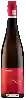
Winery PlagExcellance
 Red wine


This wine generally goes well with pork, poultry or veal.

Wine flavors and olphactive analysis

On the nose the Excellance of Winery Plag in the region of Baden often reveals types of flavors of oak, red fruit.
Food and wine pairings with Excellance
Pairings that work perfectly with Excellance



Original food and wine pairings with Excellance


The Excellance of Winery Plag matches generally quite well with dishes of veal, pork or game (deer, venison) such as recipes of pork tenderloin with chorizo and peppers, turkey roulades, flavoured sauce or wild boar stew (without marinade or wine).
Details and technical informations about Winery Plag's Excellance.
Discover the grape variety: Pinot noir
Elegant reds, light in colour with silky tannins, showing strawberry, cherry and raspberry aromas, evolving to forest floor, mushroom and spice with age. Fresh acidity, delicate finish. Star of the Côte d'Or (Romanée-Conti, Chambertin, Volnay), pillar of Champagne (Blanc de Noirs) and signature of Oregon, Central Otago and Sonoma Coast. An early-ripening Burgundian variety, one of the world's greatest.
Last vintages of this wine
The best vintages of Excellance from Winery Plag are 2015, 0
Informations about the Winery Plag
The Winery Plag is one of of the world's greatest estates. It offers 32 wines for sale in the of Baden to come and discover on site or to buy online.

The wine region of Baden
German capital of Pinot Noir (Spätburgunder): silky, fine reds with notes of red fruits, cherry, undergrowth and sweet spices, melted tannins. Round Grauburgunder (Pinot Gris), lively Weissburgunder, supple Müller-Thurgau, mineral Riesling. Germany's 3rd region (15,000 ha) in Baden-Württemberg facing Alsace, one of the country's warmest climates, volcanic soils at the Kaiserstuhl. Cradle of modern great German reds, elegant and fine.
The word of the wine: Ancestral method
A method of making certain sparkling wines such as blanquette de Limoux, sparkling gaillac or clairette de Die, which consists of a second fermentation in the bottle based on natural sugars and yeasts naturally brought by the grapes (unlike the méthode champenoise, which requires the addition of tirage liquor).