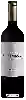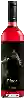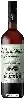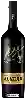
Bodega PirineosViña Rocal Oak Aged
 Red wine



In the mouth this red wine is a powerful.
This wine generally goes well with poultry, beef or veal.
Taste structure of the Viña Rocal Oak Aged from the Bodega Pirineos
Light | Bold | |
Smooth | Tannic | |
Dry | Sweet | |
Soft | Acidic |
In the mouth the Viña Rocal Oak Aged of Bodega Pirineos in the region of Andalousie is a powerful.
Food and wine pairings with Viña Rocal Oak Aged
Pairings that work perfectly with Viña Rocal Oak Aged



Original food and wine pairings with Viña Rocal Oak Aged

The Viña Rocal Oak Aged of Bodega Pirineos matches generally quite well with dishes of beef, pasta or veal such as recipes of melt-in-the-mouth pork tenderloin casserole, pasta with porcini mushrooms or veal paupiettes with onions and tomatoes.
Details and technical informations about Bodega Pirineos's Viña Rocal Oak Aged.
Discover the grape variety: Olivette blanche
This variety is of unknown origin and is not related to the black olivette. The flowers of the Olivette blanche are physiologically female, which has led it to be cultivated very often in association with other varieties. Today, it is practically no longer multiplied, although it is registered in the Official Catalogue of vine varieties, list A1.
Last vintages of this wine
The best vintages of Viña Rocal Oak Aged from Bodega Pirineos are 0, 2012
Informations about the Bodega Pirineos
The Bodega Pirineos is one of of the world's great estates. It offers 86 wines for sale in the of Andalousie to come and discover on site or to buy online.

The wine region of Andalousie
Andalusia, located in the southwest of Spain, is the southernmost administrative region of the Spanish mainland. It is home to the world-famous fortified wine, sherry. This dynamic region is the most populous in Spain and has a colourful history. Its strategic position at the gateway to the Mediterranean and its proximity to Africa have made it the target of many settlements and invasions throughout history.
The word of the wine: Polyphenols
Substance contained essentially in the skin of the grape. The main ones are anthocyanins, which give red wines their colour and tannins.