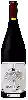
Winery Tenuta Piccolo BrunelliDante 1872 Riserva Sangiovese
 Red wine


In the mouth this red wine is a powerful with a nice balance between acidity and tannins.
This wine generally goes well with beef, game (deer, venison) or lamb.

Taste structure of the Dante 1872 Riserva Sangiovese from the Winery Tenuta Piccolo Brunelli
Light | Bold | |
Smooth | Tannic | |
Dry | Sweet | |
Soft | Acidic |
In the mouth the Dante 1872 Riserva Sangiovese of Winery Tenuta Piccolo Brunelli in the region of Emilia-Romagna is a powerful with a nice balance between acidity and tannins.
Food and wine pairings with Dante 1872 Riserva Sangiovese
Pairings that work perfectly with Dante 1872 Riserva Sangiovese



Original food and wine pairings with Dante 1872 Riserva Sangiovese

The Dante 1872 Riserva Sangiovese of Winery Tenuta Piccolo Brunelli matches generally quite well with dishes of beef, pasta or lamb such as recipes of beef tongue with vegetables, lasagna bolognese or sauté of lamb with curry.
Details and technical informations about Winery Tenuta Piccolo Brunelli's Dante 1872 Riserva Sangiovese.
Discover the grape variety: Sangiovese
Firm, upright reds with precise acidity and angular tannins, showing aromas of sour cherry, plum, dried herbs, leather, black tea and balsamic notes. Characteristically bitter, savoury finish. Star of Chianti Classico DOCG, Brunello di Montalcino DOCG, Vino Nobile di Montepulciano DOCG and Morellino di Scansano. Italy's most planted variety, a descendant of Ciliegiolo × Calabrese di Montenuovo.
Last vintages of this wine
The best vintages of Dante 1872 Riserva Sangiovese from Winery Tenuta Piccolo Brunelli are 0
Informations about the Winery Tenuta Piccolo Brunelli
The Winery Tenuta Piccolo Brunelli is one of of the world's greatest estates. It offers 4 wines for sale in the of Romagna to come and discover on site or to buy online.

The wine region of Romagna
Eastern part of Emilia-Romagna on the Adriatic. Sangiovese signature in red: Romagnola version more supple and fruity than in Tuscany, with signature notes of red cherry, raspberry, plum, violet, Mediterranean herbs and a spicy touch, fine tannins and gourmand palate — sublimated in DOCG Sangiovese Superiore. Albana as star white (Italy's 1st white DOCG) ample (pear, honey). Straight Trebbiano, floral Pagadebit, sweet Cagnina.
The wine region of Emilia-Romagna
Kingdom of Lambrusco: fresh, fruity sparkling reds (blackberry, cherry, violet), from gourmet dry to convivial off-dry, perfect with local charcuterie. World's best-selling sparkling wine on the Emilia side (Sorbara, Grasparossa, Salamino). East, Romagna: supple fruity Sangiovese, Albana (Italy's 1st white DOCG, 1987) ample and almondy. Also red Gutturnio and white Pignoletto.
The word of the wine: Body
Character of a wine combining a good constitution (structure and flesh) with warmth.