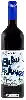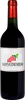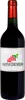
Winery PfneiszlMerlot Klasszikus
 Red wine


This wine generally goes well with beef and game (deer, venison).

Wine flavors and olphactive analysis





On the nose the Merlot Klasszikus of Winery Pfneiszl in the region of Hungary often reveals types of flavors of non oak, earth or oak and sometimes also flavors of spices, red fruit or black fruit.
Food and wine pairings with Merlot Klasszikus
Pairings that work perfectly with Merlot Klasszikus


Original food and wine pairings with Merlot Klasszikus
The Merlot Klasszikus of Winery Pfneiszl matches generally quite well with dishes of beef or game (deer, venison) such as recipes of beef with panang curry (red curry) or rabbit with prunes in my grandmother's style.
Details and technical informations about Winery Pfneiszl's Merlot Klasszikus.
Discover the grape variety: Merlot
Round and fleshy reds with a velvety texture, showing aromas of ripe plum, black cherry, cocoa and truffle notes with age. Supple tannins, generous alcohol, indulgent finish. Pillar of Libournais (Pomerol with Pétrus, Saint-Émilion with Cheval Blanc and Ausone) and signature of Super Tuscans, Italian Wales and Washington State. A cross of Cabernet Franc × Magdeleine Noire, France's most planted red variety.
Last vintages of this wine

The best vintages of Merlot Klasszikus from Winery Pfneiszl are 2016, 2014, 2013, 2012 and 0.
Informations about the Winery Pfneiszl
The Winery Pfneiszl is one of of the world's greatest estates. It offers 27 wines for sale in the of Hungary to come and discover on site or to buy online.

The wine region of Hungary
Millennia-old Central European wine country, 65,000 ha across 22 regions, 70% whites. Legendary Tokaji Aszú (UNESCO): golden botrytised sweet wines with signature notes of honey, candied apricot, orange peel and spice, taut acidity — one of the world's greatest sweet wines. Dry Furmint booming (lively and mineral), perfumed Hárslevelű. Egri Bikavér ("Bull's Blood") as a fleshy Kékfrankos red.
The word of the wine: Tanin
A natural compound contained in the skin of the grape, the seed or the woody part of the bunch, the stalk. The maceration of red wines allows the extraction of tannins, which give the texture, the solidity and also the mellowness when the tannins are "ripe". The winemaker seeks above all to extract the tannins from the skin, the ripest and most noble. The tannins of the seed or stalk, which are "greener", especially in average years, give the wine hardness and astringency. The wines of Bordeaux (based on Cabernet and Merlot) are full of tannins, those of Burgundy much less so, with Pinot Noir containing little.