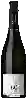
Winery Peri BigognoTalento Millesimato Brut
 Sparkling wine



This wine generally goes well with pork, vegetarian or poultry.

Wine flavors and olphactive analysis

Food and wine pairings with Talento Millesimato Brut
Pairings that work perfectly with Talento Millesimato Brut



Original food and wine pairings with Talento Millesimato Brut

The Talento Millesimato Brut of Winery Peri Bigogno matches generally quite well with dishes of pork, rich fish (salmon, tuna etc) or vegetarian such as recipes of old-fashioned pork roll, marinated raw salmon ('gravad lax' in swedish) or light tuna-tomato quiche (without cream).
Details and technical informations about Winery Peri Bigogno's Talento Millesimato Brut.
Discover the grape variety: Chardonnay
Whites with many faces: mineral and taut at Chablis (lemon, green apple, flint), opulent and buttery at Meursault and Puligny-Montrachet (hazelnut, brioche, yellow fruits), tense and chalky in Champagne (Blanc de Blancs). Also vinified sparkling and widely exported (Sonoma, Margaret River, Casablanca). A Burgundian variety, a cross of Pinot Noir × Gouais Blanc, half-sibling of Aligoté.
Last vintages of this wine
The best vintages of Talento Millesimato Brut from Winery Peri Bigogno are 2016, 0
Informations about the Winery Peri Bigogno
The Winery Peri Bigogno is one of of the world's greatest estates. It offers 16 wines for sale in the of Lombardia to come and discover on site or to buy online.

The wine region of Lombardia
Three poles. Franciacorta DOCG, Italy's answer to Champagne: elegant brioche traditional-method sparklers (Chardonnay, Pinot Noir, Pinot Blanc), fine bubble and mineral profile. Alpine Valtellina: Nebbiolo (alias Chiavennasca) with fine tannins and red fruits, powerful Sforzato passito. Oltrepò Pavese: fresh Pinot Noir and fruity-sparkling Bonarda.
The word of the wine: Deposit
Solid particles that can naturally coat the bottom of a bottle of wine. It is rather a guarantee that the wine has not been mistreated: in fact, to avoid the natural deposit, rather violent processes of filtration or cold passage (- 7 or - 8 °C) are used in order to precipitate the tartar (the small white crystals that some people confuse with crystallized sugar: just taste to dissuade you from it)