Winery PasionPink
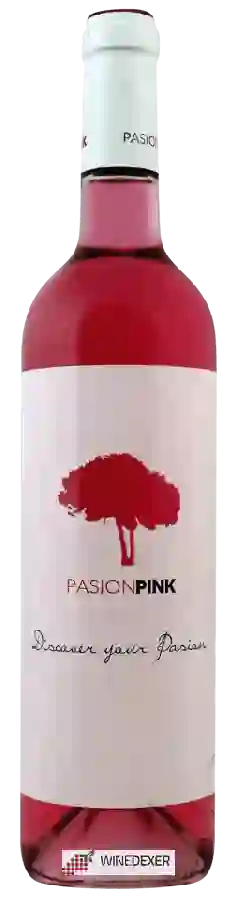
 Pink wine


This wine generally goes well with beef, lamb or mature and hard cheese.

Food and wine pairings with Pink
Pairings that work perfectly with Pink



Original food and wine pairings with Pink

The Pink of Winery Pasion matches generally quite well with dishes of beef, lamb or spicy food such as recipes of german recipe for marinated meat: sauerbraten, greek-style shepherd's pie or delicious thai chicken.
Details and technical informations about Winery Pasion's Pink.
Discover the grape variety: Smederevka
Fresh, lively whites to drink young with a pale golden robe, an airy palate with preserved acidity, and signature aromas of citrus (lemon, grapefruit), white flowers and fresh herbal notes. Productive. A pillar of dry whites in the Balkans (Serbia, North Macedonia, Bulgaria), grown mainly in the Danube valley (Smederevo), this grape defines the Danubian wine identity. An indigenous Serbian and Macedonian white grape, widely grown in the former Yugoslavia.
Last vintages of this wine
The best vintages of Pink from Winery Pasion are 0
Informations about the Winery Pasion
The Winery Pasion is one of of the world's greatest estates. It offers 6 wines for sale in the of La Mancha to come and discover on site or to buy online.

The wine region of La Mancha
World's largest contiguous wine area (190,000 ha), south of Madrid. Accessible, sunny wines: Tempranillo (here Cencibel) in full quality rise, supple reds with notes of ripe cherry, plum and spices; spicy Syrah, firm Cabernet Sauvignon, round Merlot. Light neutral Airén whites (75% of the vineyard), fresh Macabeo (Viura). Dry, hot continental climate, limestone and clay soils.
The wine region of Castille
Cradle of great Castilian reds, high-altitude plateaus (450-1000 m) along the Duero. Tempranillo king (aka Tinta de Toro, Tinto Fino): powerful, concentrated, structured reds with notes of black cherry, plum, leather, tobacco and spice, firm tannins from altitude and cool nights. Stars: Ribera del Duero (Vega Sicilia, Pingus), fleshy Toro, Bierzo (floral, mineral Mencía). Lively, herbaceous Verdejo whites from Rueda.
The word of the wine: Organoleptic
Elements, such as flavours and tactile sensations, that can stimulate a sensory receptor.