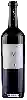
Winery PaganiniNinfa
 Red wine
In the mouth this red wine is a powerful.
This wine generally goes well with beef, game (deer, venison) or lamb.

Taste structure of the Ninfa from the Winery Paganini
Light | Bold | |
Smooth | Tannic | |
Dry | Sweet | |
Soft | Acidic |
In the mouth the Ninfa of Winery Paganini in the region of Emilia-Romagna is a powerful.
Food and wine pairings with Ninfa
Pairings that work perfectly with Ninfa



Original food and wine pairings with Ninfa

The Ninfa of Winery Paganini matches generally quite well with dishes of beef, pasta or lamb such as recipes of beef pot au feu (grandma's style), mascarpone pasta with tomato sauce or lamb stew with yoghurt and coriander.
Details and technical informations about Winery Paganini's Ninfa.
Discover the grape variety: Melon blanc et rouge
Simple, fresh dry whites with a pale golden robe, a supple palate with moderate acidity, and undemonstrative aromas of citrus and white flowers. A discreet rustic profile. Almost absent from commercial cultivation, preserved in INRAE variety collections, it testifies to the pre-phylloxera ampelographic diversity of central and northern France. A rare indigenous French white grape, once grown in central and northern France.
Informations about the Winery Paganini
The Winery Paganini is one of of the world's greatest estates. It offers 5 wines for sale in the of Emilia-Romagna to come and discover on site or to buy online.

The wine region of Emilia-Romagna
Kingdom of Lambrusco: fresh, fruity sparkling reds (blackberry, cherry, violet), from gourmet dry to convivial off-dry, perfect with local charcuterie. World's best-selling sparkling wine on the Emilia side (Sorbara, Grasparossa, Salamino). East, Romagna: supple fruity Sangiovese, Albana (Italy's 1st white DOCG, 1987) ample and almondy. Also red Gutturnio and white Pignoletto.
The word of the wine: Apyrene
Seedless grape.