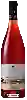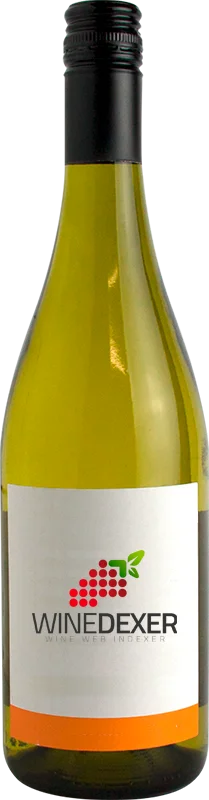
Winery PacchiarottiMatee
 White wine



In the mouth this white wine is a with a good balance between acidity and sweetness.
This wine generally goes well with vegetarian, appetizers and snacks or lean fish.

Taste structure of the Matee from the Winery Pacchiarotti
Light | Bold | |
Dry | Sweet | |
Soft | Acidic |
In the mouth the Matee of Winery Pacchiarotti in the region of Lazio is a with a good balance between acidity and sweetness.
Food and wine pairings with Matee
Pairings that work perfectly with Matee



Original food and wine pairings with Matee


The Matee of Winery Pacchiarotti matches generally quite well with dishes of pasta, vegetarian or appetizers and snacks such as recipes of spaghetti with salmon, zucchini quiche or dried tomato, feta and green olive cake.
Details and technical informations about Winery Pacchiarotti's Matee.
Discover the grape variety: Monica
Supple, fruity reds with a moderate ruby colour, smooth low tannins and a fresh, airy palate; signature aromas of red fruits (cherry, raspberry), gentle spices and Sardinian Mediterranean notes. Refreshing style, perfect as an apéritif. Star of Monica di Sardegna DOC, the approachable face of Sardinian reds. Black grape grown mainly in southern Sardinia around Cagliari.
Last vintages of this wine
The best vintages of Matee from Winery Pacchiarotti are 2014, 0, 2015
Informations about the Winery Pacchiarotti
The Winery Pacchiarotti is one of of the world's greatest estates. It offers 6 wines for sale in the of Lazio to come and discover on site or to buy online.

The wine region of Lazio
Two-millennia Roman vineyard, predominantly white on the volcanic soils of the Castelli Romani. Frascati DOC as figurehead: fresh, accessible whites based on Malvasia and Trebbiano, notes of green apple, white flowers and almond, slightly bitter finish. Also Bellone and Grechetto. Emblematic red: Cesanese del Piglio DOCG, fleshy with notes of ripe cherry, dry herbs and spice, round tannins.
The word of the wine: Yellow wine
White wines from the Jura region aged in oak barrels without topping up for at least 6 years. A veil of yeast forms on the surface of the wine, which undergoes slow oxidation, giving it a particular taste reminiscent of nuts.