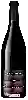
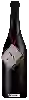
Winery OliviniCondolcezza
 White wine



In the mouth this white wine is a powerful with a good balance between acidity and sweetness.
This wine generally goes well with lean fish, shellfish or mature and hard cheese.

Taste structure of the Condolcezza from the Winery Olivini
Light | Bold | |
Dry | Sweet | |
Soft | Acidic |
In the mouth the Condolcezza of Winery Olivini in the region of Lombardia is a powerful with a good balance between acidity and sweetness.
Food and wine pairings with Condolcezza
Pairings that work perfectly with Condolcezza



Original food and wine pairings with Condolcezza


The Condolcezza of Winery Olivini matches generally quite well with dishes of pasta, shellfish or mature and hard cheese such as recipes of pasta with eggplant, mussels with marinara or parmesan squash with cumin.
Details and technical informations about Winery Olivini's Condolcezza.
Discover the grape variety: Nero d'Avola
Full-bodied, warm reds with deep colour and generous alcohol, with aromas of blackberry, black cherry jam, plum, liquorice, chocolate and Mediterranean spice. Ripe tannins and a broad, sunny finish. The star of Sicily (Nero d'Avola Sicilia DOC, Cerasuolo di Vittoria DOCG blended with Frappato, Eloro DOC). Native Sicilian variety, also called Calabrese, the most planted on the island.
Last vintages of this wine
The best vintages of Condolcezza from Winery Olivini are 0, 2013
Informations about the Winery Olivini
The Winery Olivini is one of of the world's greatest estates. It offers 16 wines for sale in the of Lombardia to come and discover on site or to buy online.

The wine region of Lombardia
Three poles. Franciacorta DOCG, Italy's answer to Champagne: elegant brioche traditional-method sparklers (Chardonnay, Pinot Noir, Pinot Blanc), fine bubble and mineral profile. Alpine Valtellina: Nebbiolo (alias Chiavennasca) with fine tannins and red fruits, powerful Sforzato passito. Oltrepò Pavese: fresh Pinot Noir and fruity-sparkling Bonarda.
The word of the wine: Polyphenols
Substance contained essentially in the skin of the grape. The main ones are anthocyanins, which give red wines their colour and tannins.