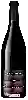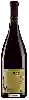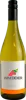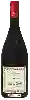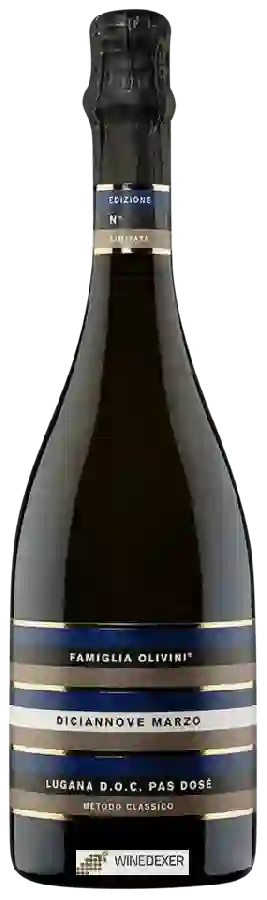
Winery OliviniDiciannove Marzo Pas Dosè Metodo Classico
 Sparkling wine


This wine generally goes well with
Details and technical informations about Winery Olivini's Diciannove Marzo Pas Dosè Metodo Classico.
Discover the grape variety: Humagne rouge
It is a variety of Valle d'Aosta origin and, like Arvine, it is also found in Italy. In the past, it was cultivated in Savoy and registered in the official catalogue of wine grape varieties, list B, under the name of red humagne, but it is not related to white humagne. According to recent genetic analyses, the Swiss variety Cornalin du Valais is its father and Rèze its grandmother. It is also the grandson of the petit rouge d' Aoste.
Last vintages of this wine
The best vintages of Diciannove Marzo Pas Dosè Metodo Classico from Winery Olivini are 2009, 0
Informations about the Winery Olivini
The Winery Olivini is one of of the world's greatest estates. It offers 16 wines for sale in the of Lugana to come and discover on site or to buy online.

The wine region of Lugana
The wine region of Lugana is located in the region of Lombardie of Italy. Wineries and vineyards like the Domaine Montonale or the Domaine Zenato produce mainly wines white, sparkling and red. The most planted grape varieties in the region of Lugana are Chardonnay, Garganega and Cabernet-Sauvignon, they are then used in wines in blends or as a single variety. On the nose of Lugana often reveals types of flavors of tree fruit, mango or red fruit and sometimes also flavors of balsamic, orange peel or oil.
The wine region of Lombardia
Lombardy is one of Italy's largest and most populous regions, located in the north-central Part of the country. It's home to a handful of popular and well-known wine styles, including the Bright, cherry-scented Valtellina and the high-quality Sparkling wines Franciacorta and Oltrepo Pavese Metodo Classico. Lombardy is Italy's industrial powerhouse, with the country's second largest city (Milan) as its regional capital. Despite this, the region has vast tracts of unspoiled countryside, home to many small wineries that produce a significant portion of the region's annual wine production of 1.
The word of the wine: Naturé
See savagnin.