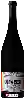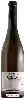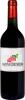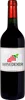
Winery OcchipintiMontemaggiore Lazio Rosso
 Red wine



In the mouth this red wine is a with a lot of tannins present in the mouth.
This wine generally goes well with poultry, beef or veal.

Taste structure of the Montemaggiore Lazio Rosso from the Winery Occhipinti
Light | Bold | |
Smooth | Tannic | |
Dry | Sweet | |
Soft | Acidic |
In the mouth the Montemaggiore Lazio Rosso of Winery Occhipinti in the region of Lazio is a with a lot of tannins present in the mouth.
Food and wine pairings with Montemaggiore Lazio Rosso
Pairings that work perfectly with Montemaggiore Lazio Rosso



Original food and wine pairings with Montemaggiore Lazio Rosso

The Montemaggiore Lazio Rosso of Winery Occhipinti matches generally quite well with dishes of beef, pasta or veal such as recipes of lomo saltado, pasta with boursin or calf sweetbread with mushrooms.
Details and technical informations about Winery Occhipinti's Montemaggiore Lazio Rosso.
Discover the grape variety: Aléatico
Aromatic, sweet reds with a light ruby robe, fine tannins and a luscious palate. Intense, refined aromas of rose, wild strawberry, raspberry, candied cherry, delicate muscat and soft spices. Often vinified as passito, sweet or fortified by drying; rarely as dry reds. Star of Elba Aleatico Passito DOCG and Aleatico di Gradoli DOC in Lazio, also present in Puglia. Native Italian variety, related to Muscat Blanc à Petits Grains.
Last vintages of this wine
The best vintages of Montemaggiore Lazio Rosso from Winery Occhipinti are 0
Informations about the Winery Occhipinti
The Winery Occhipinti is one of of the world's greatest estates. It offers 13 wines for sale in the of Lazio to come and discover on site or to buy online.

The wine region of Lazio
Two-millennia Roman vineyard, predominantly white on the volcanic soils of the Castelli Romani. Frascati DOC as figurehead: fresh, accessible whites based on Malvasia and Trebbiano, notes of green apple, white flowers and almond, slightly bitter finish. Also Bellone and Grechetto. Emblematic red: Cesanese del Piglio DOCG, fleshy with notes of ripe cherry, dry herbs and spice, round tannins.
The word of the wine: Chaptalization
The addition of sugar at the time of fermentation of the must, an ancient practice, but theorized by Jean-Antoine Chaptal at the dawn of the 19th century. The sugar is transformed into alcohol and allows the natural degree of the wine to be raised in a weak or cold year, or - more questionably - when the winegrower has a harvest that is too large to obtain good maturity.