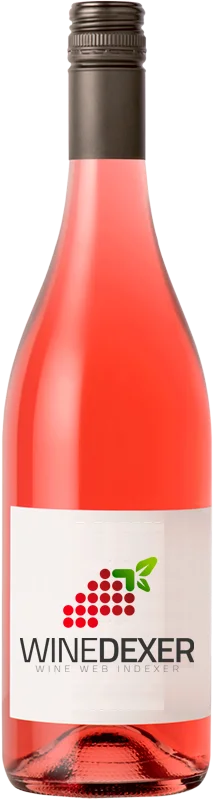
Winery O. RodunerMagden Aargau Rose De Pinot Noir
 Pink wine


This wine generally goes well with pork, poultry or veal.

Food and wine pairings with Magden Aargau Rose De Pinot Noir
Pairings that work perfectly with Magden Aargau Rose De Pinot Noir



Original food and wine pairings with Magden Aargau Rose De Pinot Noir


The Magden Aargau Rose De Pinot Noir of Winery O. Roduner matches generally quite well with dishes of veal, pork or game (deer, venison) such as recipes of lisbon veal sauté, wild boar bourguignon or stuffed duck or goose neck.
Details and technical informations about Winery O. Roduner's Magden Aargau Rose De Pinot Noir.
Discover the grape variety: Pinot noir
Elegant reds, light in colour with silky tannins, showing strawberry, cherry and raspberry aromas, evolving to forest floor, mushroom and spice with age. Fresh acidity, delicate finish. Star of the Côte d'Or (Romanée-Conti, Chambertin, Volnay), pillar of Champagne (Blanc de Noirs) and signature of Oregon, Central Otago and Sonoma Coast. An early-ripening Burgundian variety, one of the world's greatest.
Last vintages of this wine
The best vintages of Magden Aargau Rose De Pinot Noir from Winery O. Roduner are 0
Informations about the Winery O. Roduner
The Winery O. Roduner is one of of the world's greatest estates. It offers 2 wines for sale in the of Aargau to come and discover on site or to buy online.

The wine region of Aargau
Northern German-speaking Swiss wine canton, 380 ha on Jurassic limestone soils. Signature Pinot Noir (Blauburgunder) in Burgundian style: fine, silky reds with signature notes of cherry, raspberry, undergrowth, sweet spices and salty minerality, delicate tannins and taut freshness. Muller-Thurgau second as a lively, fruity white (apple, white flowers, light muscat). Also broad Chardonnay, fragrant Grauburgunder, opulent Gewurztraminer, red Regent.
The word of the wine: Extraction
All the methods (pumping over, punching down) that allow the colour and tannins to be extracted from the grape skin during maceration, before fermentation begins. It is also possible to macerate after fermentation, but gently, so as not to extract the tannins from the seeds, which are greener. Because of its solvent power, alcohol favours extraction.