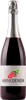
Winery Nicolas VaheCôtes du Rhône Rosé
 Pink wine


In the mouth this pink wine is a powerful with a nice freshness.
This wine generally goes well with pork, poultry or rich fish (salmon, tuna etc).

Taste structure of the Côtes du Rhône Rosé from the Winery Nicolas Vahe
Light | Bold | |
Dry | Sweet | |
Soft | Acidic |
In the mouth the Côtes du Rhône Rosé of Winery Nicolas Vahe in the region of Rhone Valley is a powerful with a nice freshness.
Food and wine pairings with Côtes du Rhône Rosé
Pairings that work perfectly with Côtes du Rhône Rosé



Original food and wine pairings with Côtes du Rhône Rosé

The Côtes du Rhône Rosé of Winery Nicolas Vahe matches generally quite well with dishes of pork, rich fish (salmon, tuna etc) or shellfish such as recipes of banh mi sandwich, salmon and leek gratin or shrimp risotto with curry.
Details and technical informations about Winery Nicolas Vahe's Côtes du Rhône Rosé.
Discover the grape variety: Cococciola
Crisp, aromatic dry whites with a pale golden colour, a lean palate and fresh acidity showing citrus (lemon, grapefruit), white flowers, white-fleshed fruits and Adriatic mineral notes. Also made as fresh sparkling wines (spumante). Enjoying a quality revival among Abruzzese producers who vinify it as a single variety around Chieti.
Last vintages of this wine

The best vintages of Côtes du Rhône Rosé from Winery Nicolas Vahe are 2012, 2010, 2013, 2011
Informations about the Winery Nicolas Vahe
The Winery Nicolas Vahe is one of of the world's greatest estates. It offers 6 wines for sale in the of Côtes-du-Rhône to come and discover on site or to buy online.

The wine region of Côtes-du-Rhône
Accessible reference for Mediterranean reds: dominant Grenache as king (≥50% in the south) - supple and fruity with notes of cherry, strawberry, garrigue, pepper and a touch of sweet spices, round tannins. Fleshy Syrah (blackcurrant, violet, black pepper), dense Mourvèdre, Cinsault and Carignan in support. In the north, racy, deep Syrah solo. Generous rosés and floral whites (Grenache Blanc, Clairette, Viognier).
The wine region of Rhone Valley
France's 2nd-largest AOC vineyard, two complementary worlds. Northern: pure Syrah in signature reds (Côte-Rôtie, Hermitage, Cornas), deep and peppery with blackberry, violet, black olive and smoked bacon notes, exceptional ageing. Opulent Viognier whites (Condrieu, apricot, flowers) and ample Marsanne-Roussanne. Southern: sun-soaked Grenache blends at Châteauneuf, Gigondas, Vacqueyras (candied fruit, garrigue).
The word of the wine: Muscat blanc à petits grains
A white grape variety cultivated since antiquity on the shores of the Mediterranean, it is considered the noblest of the muscats. It is mainly used to make sweet wines, often from mutage. In France, it is the sole variety used in many natural sweet wines: muscat-de-frontignan, muscat-de-mireval, muscat-de-lunel, muscat-de-saint-jean-de-minervois, muscat-de-beaumes-de-venise, muscat-du-cap-corse. Combined with Muscat d'Alexandrie, it gives Muscat-de-Rivesaltes. It is also used to make sparkling white wines (clairette-de-die; moscato d'asti and asti spumante in Italy) and dry wines (alsace-muscat). Powerfully aromatic and complex, its wines evoke fresh grapes, roses, exotic fruits, citrus fruits and spices.