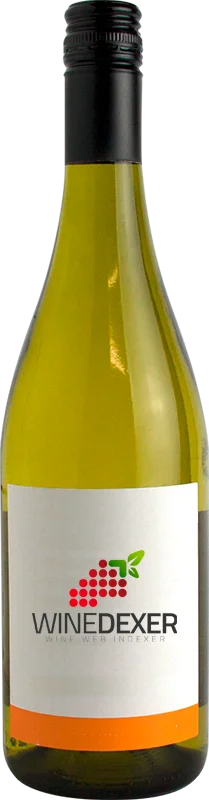
Winery Nicola del NegroChambave Muscat
 White wine


In the mouth this white wine is a powerful with a nice freshness.
This wine generally goes well with lean fish, shellfish or mature and hard cheese.
Taste structure of the Chambave Muscat from the Winery Nicola del Negro
Light | Bold | |
Dry | Sweet | |
Soft | Acidic |
In the mouth the Chambave Muscat of Winery Nicola del Negro in the region of Valle d'Aosta is a powerful with a nice freshness.
Food and wine pairings with Chambave Muscat
Pairings that work perfectly with Chambave Muscat



Original food and wine pairings with Chambave Muscat


The Chambave Muscat of Winery Nicola del Negro matches generally quite well with dishes of pasta, shellfish or mature and hard cheese such as recipes of lasagne with salmon, goat cheese and spinach, parillade of fish and seafood or cantalian patranque !.
Details and technical informations about Winery Nicola del Negro's Chambave Muscat.
Discover the grape variety: Saint-Côme
Saint-Côme blanc is a grape variety that originated in France (Aveyron). It produces a variety of grape specially used for wine making. It is rare to find this grape to eat on our tables. The white Saint-Côme can be found in several vineyards: South-West, Cognac, Bordeaux, Provence & Corsica, Rhone valley, Loire valley, Savoie & Bugey, Beaujolais.
Last vintages of this wine
The best vintages of Chambave Muscat from Winery Nicola del Negro are 0
Informations about the Winery Nicola del Negro
The Winery Nicola del Negro is one of of the world's greatest estates. It offers 7 wines for sale in the of Valle d'Aosta to come and discover on site or to buy online.

The wine region of Valle d'Aosta
Valle d'Aosta is the smallest and least populated region in Italy, only one-eighth the Size of neighbouring Piedmont. It covers a mountainous area in the far northwest of Italy, where the country's borders meet those of France and Switzerland. Despite the region's small size and low profile, a wide range of red and white wines are produced from a selection of native and introduced Grape varieties. The most important of these is Picotendro, the local form of Nebbiolo.
The word of the wine: Amylic
Aroma reminiscent of banana, candy, and sometimes nail polish, particularly present in primeur wines. The amylic taste is reminiscent of the aromas of industrial confectionery and does not reflect a great expression of terroir.