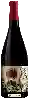
Winery MortitxMonjoia de Mortitx
 Red wine


In the mouth this red wine is a powerful with a nice balance between acidity and tannins.
This wine generally goes well with poultry, beef or veal.

Taste structure of the Monjoia de Mortitx from the Winery Mortitx
Light | Bold | |
Smooth | Tannic | |
Dry | Sweet | |
Soft | Acidic |
In the mouth the Monjoia de Mortitx of Winery Mortitx in the region of Iles Baléares is a powerful with a nice balance between acidity and tannins.
Food and wine pairings with Monjoia de Mortitx
Pairings that work perfectly with Monjoia de Mortitx



Original food and wine pairings with Monjoia de Mortitx

The Monjoia de Mortitx of Winery Mortitx matches generally quite well with dishes of beef, pasta or veal such as recipes of beef stew with white wine, lasagne with salmon, goat cheese and spinach or tête de veau sauce moi.
Details and technical informations about Winery Mortitx's Monjoia de Mortitx.
Discover the grape variety: Négrette
Supple, perfumed reds with a deep ruby robe, smooth tannins and a round palate, with intense, characteristic aromas of violet, red fruit (raspberry, blackcurrant), liquorice, soft spice and peppery notes. Gourmand finish; best young or short ageing. The near-exclusive star of Fronton AOC north of Toulouse (minimum 50% in blends), also made as expressive rosés. Autochthonous South-West French variety, possibly brought from Cyprus by the Knights Hospitaller.
Last vintages of this wine
The best vintages of Monjoia de Mortitx from Winery Mortitx are 0, 2015
Informations about the Winery Mortitx
The Winery Mortitx is one of of the world's greatest estates. It offers 17 wines for sale in the of Iles Baléares to come and discover on site or to buy online.

The wine region of Iles Baléares
Spanish Mediterranean archipelago (Majorca, Minorca, Ibiza), warm insular climate, limestone soils. Manto Negro (Majorca, 320 ha, native): supple and silky with red cherry, raspberry, plum, Mediterranean herbs and spicy hint, fine tannins and moderate alcohol. Round and fragrant Callet (native) solo or blended (young and rosé). Cabernet and Merlot for ageing cuvées.
The word of the wine: Warm
A wine rich in alcohol whose power is expressed by an alcoholic nose and a burning sensation in the mouth.