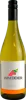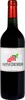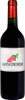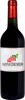
Winery Monte Seis ReisArte Real Branco
 White wine



In the mouth this white wine is a .
This wine generally goes well with pork, lean fish or shellfish.
Taste structure of the Arte Real Branco from the Winery Monte Seis Reis
Light | Bold | |
Dry | Sweet | |
Soft | Acidic |
In the mouth the Arte Real Branco of Winery Monte Seis Reis in the region of Alentejano is a .
Food and wine pairings with Arte Real Branco
Pairings that work perfectly with Arte Real Branco



Original food and wine pairings with Arte Real Branco

The Arte Real Branco of Winery Monte Seis Reis matches generally quite well with dishes of pasta, pork or shellfish such as recipes of pasta with alfredo sauce, summer orecchiette or mussels with beer.
Details and technical informations about Winery Monte Seis Reis's Arte Real Branco.
Discover the grape variety: Narince
This grape variety is native to Turkey, where it is very well known and highly appreciated. In this country, it is very often grown at high altitudes. It is believed to be the result of a natural intraspecific cross between Dimrit Kara and Kalecik Karasi. Almost unknown in France, it is no more so in other wine-producing countries.
Last vintages of this wine
The best vintages of Arte Real Branco from Winery Monte Seis Reis are 0
Informations about the Winery Monte Seis Reis
The Winery Monte Seis Reis is one of of the world's great estates. It offers 22 wines for sale in the of Alentejano to come and discover on site or to buy online.

The wine region of Alentejano
Tejo">Alentejo is a well-known, highly respected wine region in eastern Portugal. This hot, Dry area covers approximately a third of the country and is best known for its red wine, the best of which are sold under the and Alentejo DOC (Denominacao de Origem Controlada) title. Wine from Alentejo is typically made from Aragonez (Tempranillo), Castelao, Trincadeira or a Rich, ripe, jammy blend of the three. Antao Vaz is the white variety of choice here, producing a good level of Acidity and tropical fruit flavors.
The word of the wine: Overmaturation
When the grapes reach maturity, the skin becomes permeable and progressively loses water, which causes a concentration phenomenon inside the berry. This is called over-ripening or passerillage.