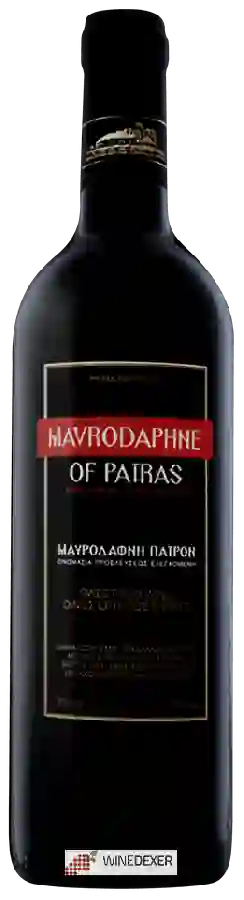
Winery MichalakisMavrodaphne Of Patras
 Sweet wine



This wine generally goes well with
The Mavrodaphne Of Patras of the Winery Michalakis is in the top 70 of wines of Patras.

Details and technical informations about Winery Michalakis's Mavrodaphne Of Patras.
Discover the grape variety: Tchkhaveri
Elegant, light reds with a pale ruby robe, fine tannins and a silky palate with preserved acidity, with signature aromas of red fruits (cherry, raspberry), gentle spices and floral notes. Also fresh rosés. Often vinified using the traditional qvevri method; defines the viticultural identity of Guria. Indigenous Georgian black variety grown mainly in the Guria region in western Georgia.
Last vintages of this wine
The best vintages of Mavrodaphne Of Patras from Winery Michalakis are 2016, 0
Informations about the Winery Michalakis
The Winery Michalakis is one of of the world's great estates. It offers 48 wines for sale in the of Patras to come and discover on site or to buy online.

The wine region of Patras
PDO on the north coast of the Peloponnese (Achaia): Roditis is the signature white king (rosé-skinned, Greece's 2nd variety) — aromatic, light-bodied balance of acidity and freshness, vinified dry, semi-dry and medium sweet. Mavrodaphne as the signature naturally sweet fortified red PDO with a characteristic deep brown colour, complex and refined bouquet of raisins, figs, plums and walnuts, oak-aged minimum 1 year, up to 49% Mavri Korinthiaki.
The wine region of Peloponnesos
Southern Greece, the country's 2nd region by volume, high-altitude vineyards (200-900 m). Signature Agiorgitiko at Nemea ("Hercules' Blood"): deep ruby reds with signature notes of black cherry, plum, blackberry, sweet spices and a balsamic touch, supple tannins and a velvety palate — fleshy and accessible. At Mantinia (600 m), pink-skinned Moschofilero gives aromatic whites (rose, citrus, white flowers). Sweet fortified Mavrodaphne, fresh Roditis.
The word of the wine: Aggressive
Said of a wine with excessive, biting and unpleasant acidity.