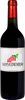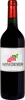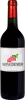
Winery MassiddaBainosa Monica di Sardegna
 Red wine



In the mouth this red wine is a powerful.
This wine generally goes well with beef, lamb or pasta.

Taste structure of the Bainosa Monica di Sardegna from the Winery Massidda
Light | Bold | |
Smooth | Tannic | |
Dry | Sweet | |
Soft | Acidic |
In the mouth the Bainosa Monica di Sardegna of Winery Massidda in the region of Sardinia is a powerful.
Food and wine pairings with Bainosa Monica di Sardegna
Pairings that work perfectly with Bainosa Monica di Sardegna



Original food and wine pairings with Bainosa Monica di Sardegna
The Bainosa Monica di Sardegna of Winery Massidda matches generally quite well with dishes of beef, pasta or lamb such as recipes of boles de picolat (catalan meatballs), seafood lasagna or pan-fried lamb heart.
Details and technical informations about Winery Massidda's Bainosa Monica di Sardegna.
Discover the grape variety: Alfrocheiro Preto
Structured, intensely colored reds with a deep dark ruby robe, firm tannins and a dense palate, with signature aromas of black fruits (blackberry, blackcurrant), plum, black cherry and soft spices. Adds color and fruit to blends with Touriga Nacional and Tinta Roriz. Essential component of the great reds of Dão DOC, also present in Alentejo DOC and Bairrada DOC. Indigenous Portuguese black variety from Dão.
Last vintages of this wine
The best vintages of Bainosa Monica di Sardegna from Winery Massidda are 0
Informations about the Winery Massidda
The Winery Massidda is one of of the world's greatest estates. It offers 8 wines for sale in the of Monica di Sardegna to come and discover on site or to buy online.

The wine region of Monica di Sardegna
Sardinian DOC covering the whole island (Cagliari, Nuoro, Oristano, Sassari), coastal alluvial plains and clay-limestone volcanic hillsides. Monica exclusive flagship red (≥85%, Sardinia's second red after Cannonau, probably imported from Spain in the 14th century): supple and fruity with red cherry, raspberry, plum, Mediterranean herbs and floral touch, soft tannins, bright fruit — dry or sweet. A convivial light ruby red.
The wine region of Sardinia
Italian Mediterranean wine island with 250+ varieties, strong native identity. Signature Cannonau (Grenache) in red: warm and deep with signature ripe cherry, garrigue, myrtle, spice and a balsamic touch, round tannins and a sun-drenched palate. Vermentino di Gallura DOCG star white (80% of Italian Vermentino): fresh and saline (citrus, pear, almond, sea iodine). Also dense Carignan, supple Monica, lively Nuragus, rare oxidative Vernaccia di Oristano.
The word of the wine: Vinification
Method and set of techniques for making wine.